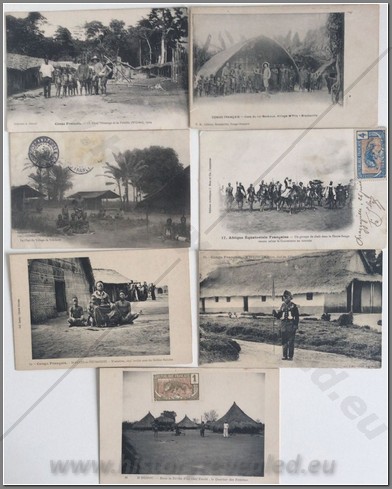
 FA 277
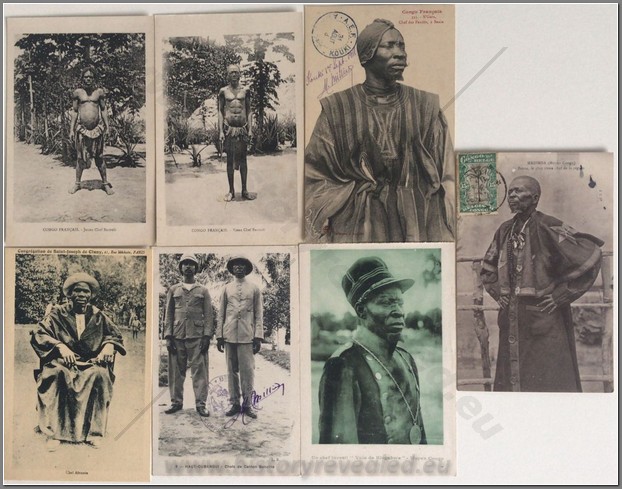 FA 277
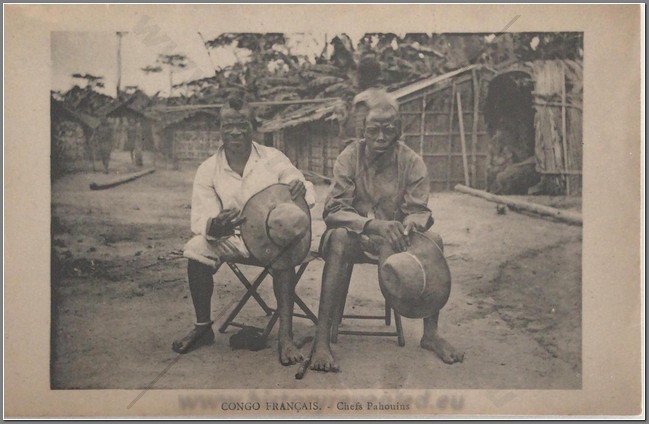 FA 277
20 colonial postcards of tribal chiefs in French Congo, their families, residence, quarter. A number of chiefs are named. SOLD
Price: $600.00

FA 277FA 277FA 277
20 colonial postcards of tribal chiefs in French Congo, their families, residence, quarter. A number of chiefs are named. SOLD
Price: $600.00
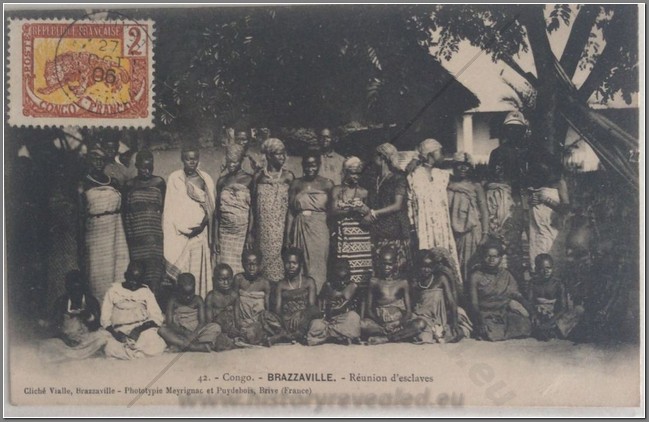 FA 276
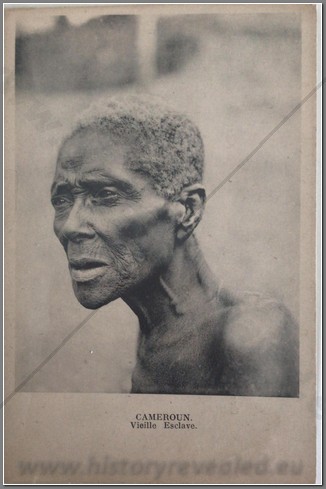 FA 276
1906 French postcard of a reunion of slaves in Brazzaville, French Congo and an old slave in Cameroun
Price: $100.00
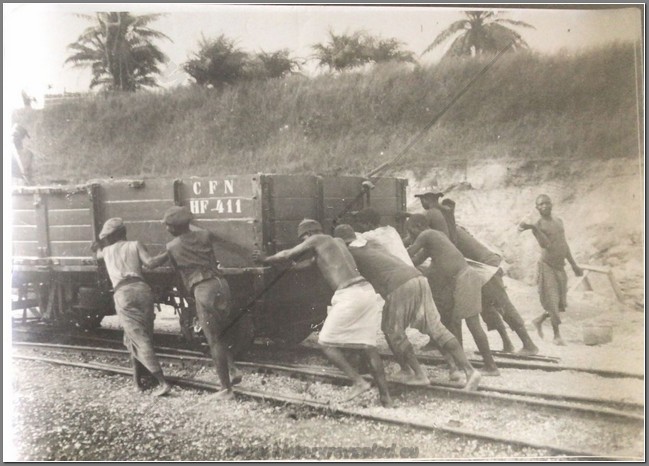 FA 253
French military photo “maneuvers on the track” in Duala, Cameroun. B
Price: $40.00
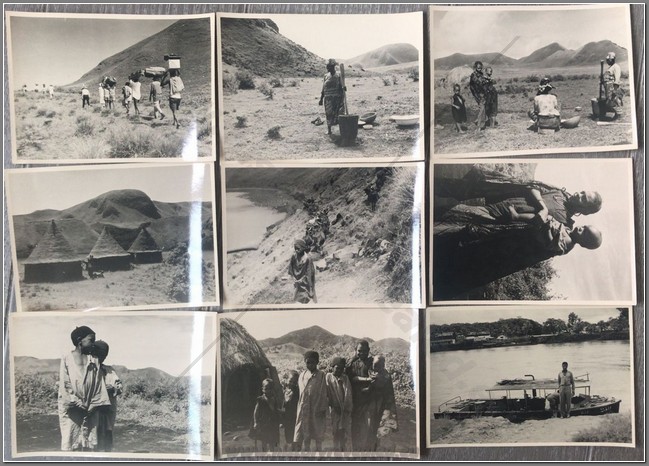 FA 251
Group of 13 photos from an unidentified place in Central Africa. B
Price: $100.00
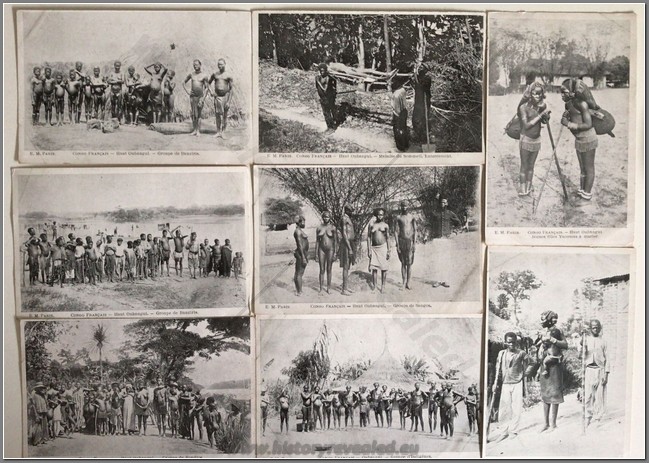 FA 234
Homogeneous collection of 7 colonial postcards of life in Haut Oubangui. Shown are various types: Banzari, Yacomas, Bondjos and Sangos.
Price: $210.00
 FA 220
 FA 220
 FA 220
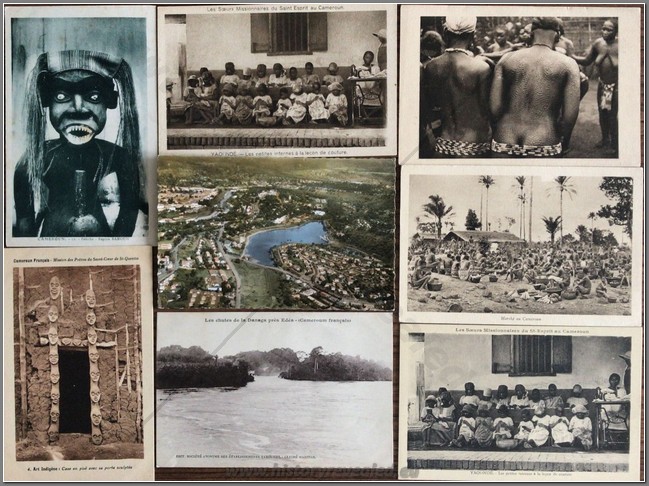
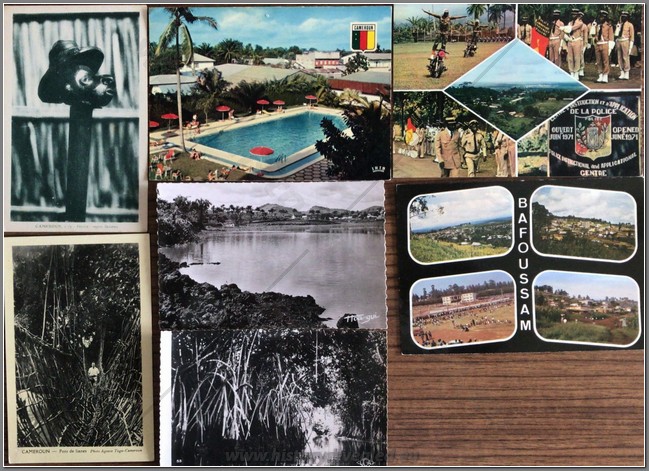
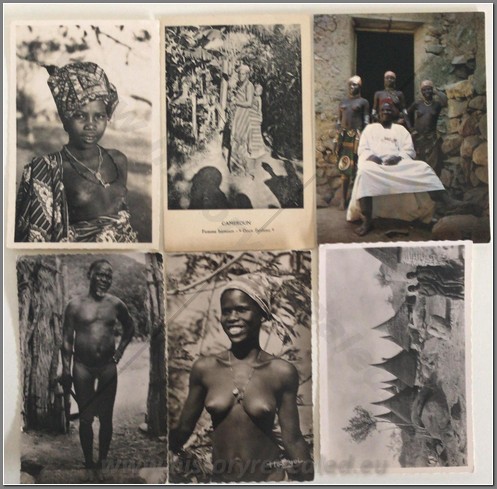
21 postcards of Cameroun. Shown are missionary activities, fetishism, local markets, scarification, city views, back country, local chief, different types, more. B
Price: $630.00
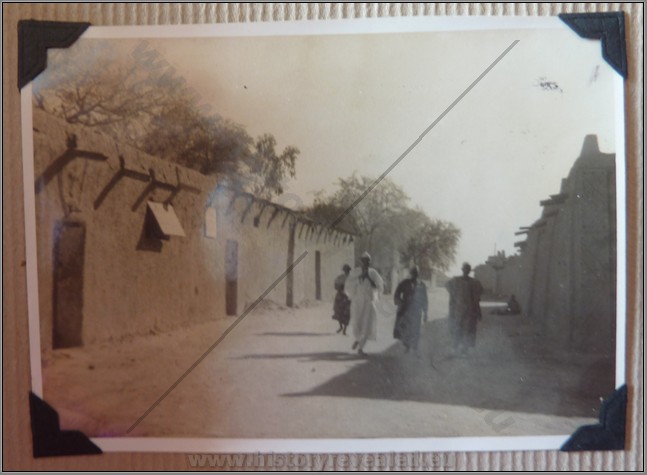
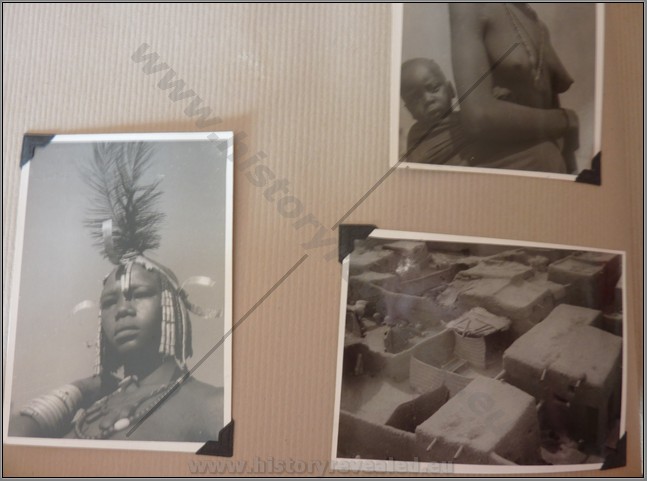
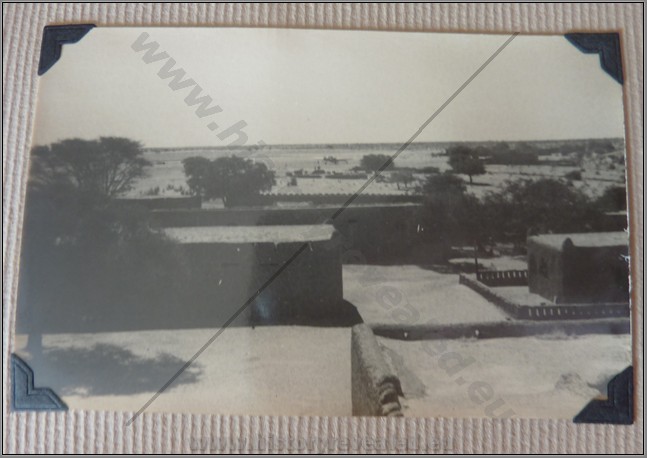
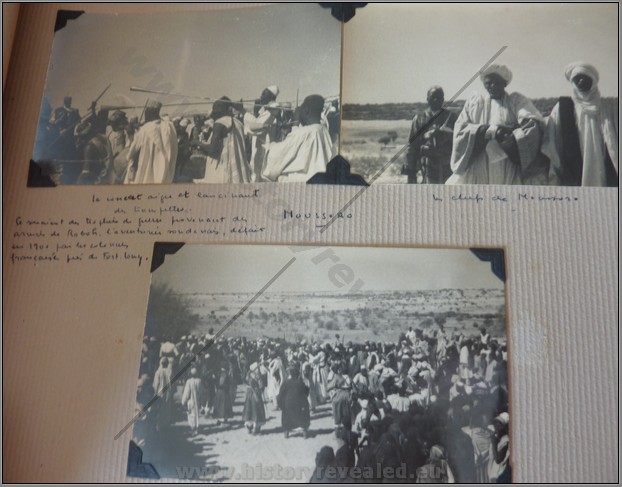
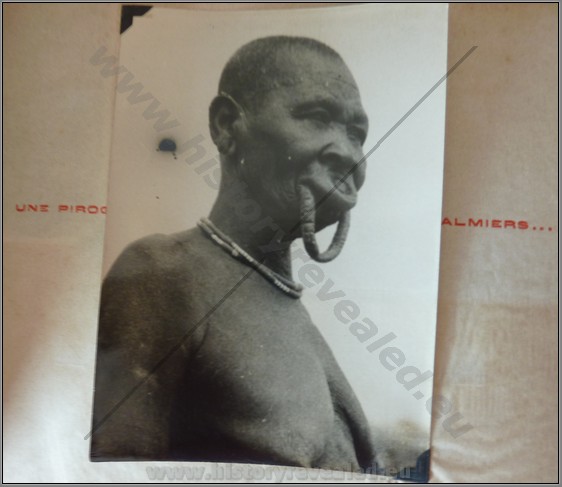
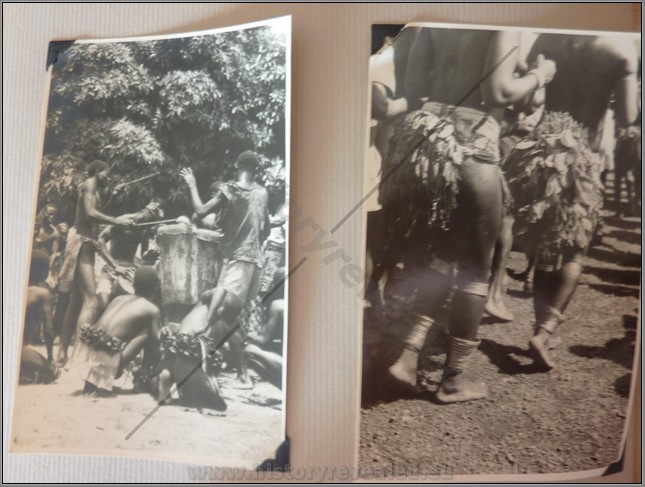
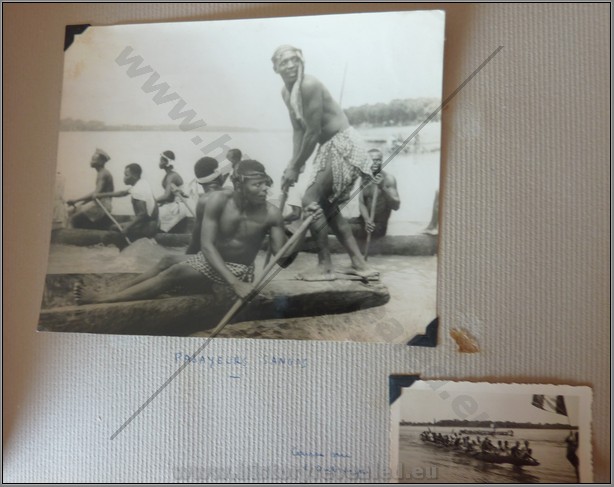
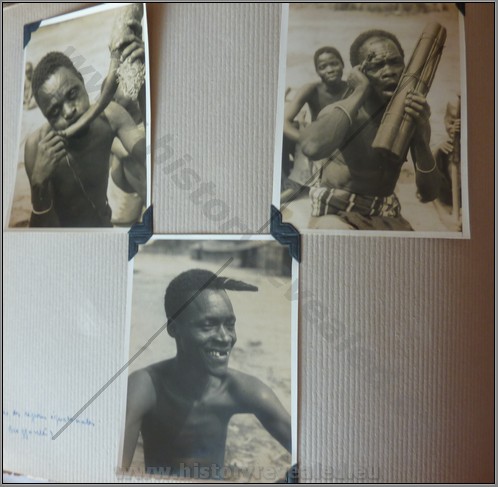
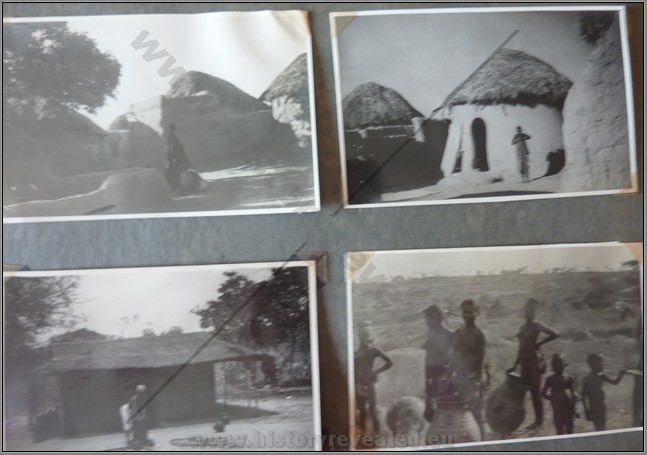
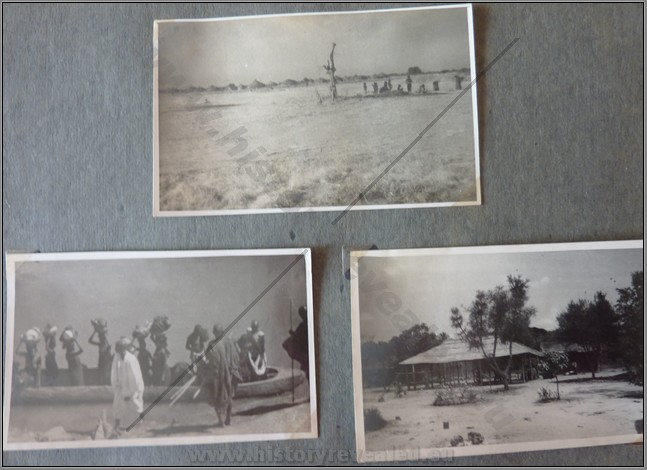
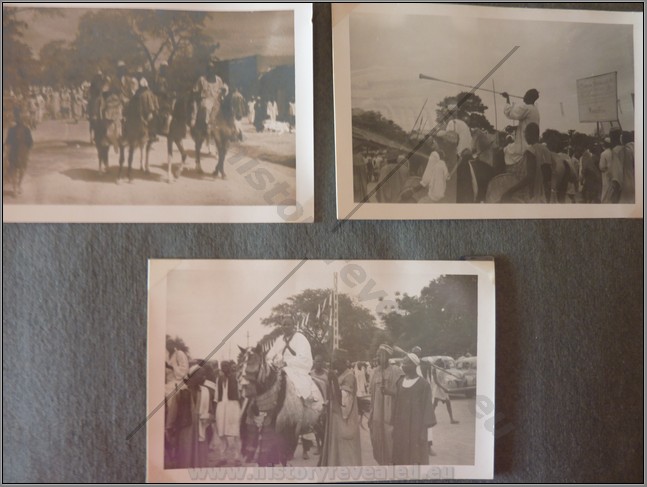
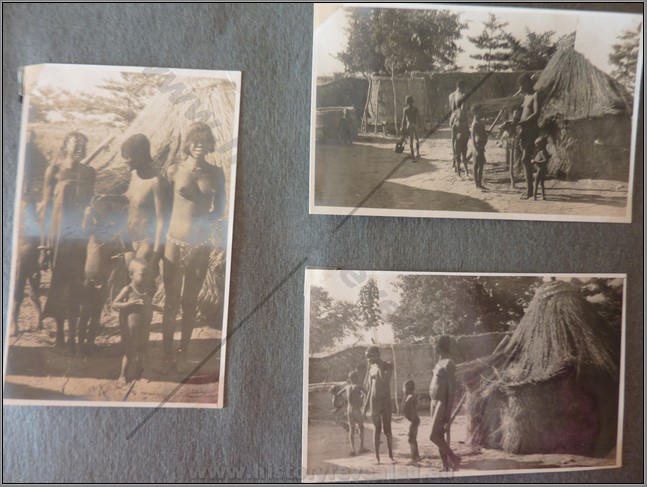
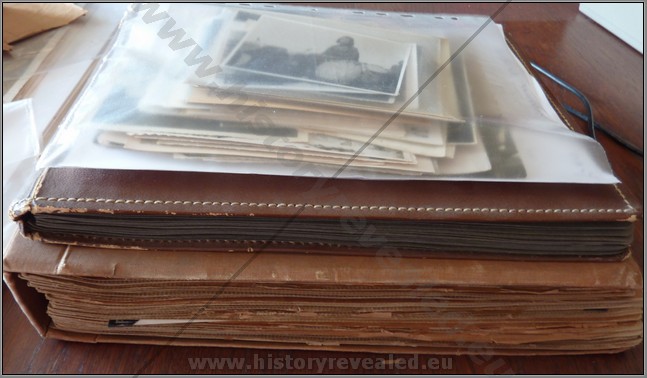 FA 133Photo and manuscript archive of Andre Davy, the adjutant of French Equatorial Africa Governor General Jean Louis Marie André Soucadaux. It shows his tour of AEF in 1948. There are 3 photo albums, many loose photos and a 60 page draft 3 chapter typed manuscript diary by Davy of the journey, mainly about Chad, which is the most covered region in the archive. There are 372 original photos, almost all of which are well captioned on reverse or on the album page. Shows Chad (mainly), Oubangi-Chari, Gabon and Moyen Congo. Check out the circumcision party and strange musical instruments, showing the nazi flag at Brazzaville, etc. The manuscript is original and in draft form.
NOTE: Jean Louis Maurice André Soucadaux (1904–2001) was born in Auch, France, on September 23, 1904. He studied law and then attended the École coloniale, the elite training institution for French colonial administrators. He entered colonial service in 1928. His African career can roughly be divided into four important phases:
Immediately after leaving the École coloniale in 1928, Soucadaux worked in the governor's administration in Dakar, capital of French West Africa (AOF). From 1934–37 he worked in the Political Affairs Directorate of the Ministry of Colonies in France, before returning to Dakar from 1938 to 1941. He subsequently served as commandant de cercle at Dimbokro in Côte d'Ivoire, and by 1943–44 was deputy to the governor and head of the Dakar administrative district.
In November 1944, Charles de Gaulle's provisional government appointed Soucadaux Secretary-General of the Government-General of French Equatorial Africa. The appointment decree explicitly names him as an administrateur en chef des colonies. He was based at Brazzaville, the capital of AEF, which was a major base of Free France during WWII. Félix Éboué, one of the most important Black colonial administrators in French history, had served as Governor-General, and Brazzaville had hosted de Gaulle's Brazzaville Conference in 1944. Soucadaux arrived later that same year, just as France was beginning the difficult process of deciding what its African empire would look like after the war. He initially served under Governor-General André Bayardelle, but subsequently reached the top position himself. Soucadaux served as acting Governor-General from August 1946 to June 1947 and again as Governor-General from September 1947 until March 1948. Contemporary AEF official publications carry decrees signed simply “SOUCADAUX” at Brazzaville, confirming his direct exercise of gubernatorial authority.
This period is particularly interesting for university collections because Soucadaux was administering AEF during the transition from the old colonial system toward the French Union established in 1946. France was simultaneously promising greater African political participation while attempting to preserve French sovereignty. Soucadaux belonged to the generation of administrators attempting to modernize colonialism in order to preserve it. He was appointed High Commissioner of French Cameroon, taking office around the beginning of 1950 and remaining until 1954. Cameroon was technically different from an ordinary French colony: it was a United Nations Trust Territory administered by France, so French policy there was subject to international scrutiny. This is where Soucadaux becomes a significant figure in the history of African decolonization.
Economically, he was an energetic developmental administrator. One contemporary administrator remembered him as a man of considerable field experience whose ambitions included developing the Logone River region for rice, expanding cotton and peanut cultivation, establishing agricultural experimental and training stations, and creating rural centers equipped with schools, dispensaries, veterinary stations and markets. He was particularly associated with what contemporaries called the “awakening” of northern Cameroon—improving communications and attempting to integrate its livestock and agricultural economy more closely with the south. A contemporary Le Monde account specifically attributes this northern-development drive to Soucadaux. One of his most consequential initiatives was cotton. He strongly supported the introduction and expansion of commercial cotton cultivation in northern Cameroon. Research on the subject describes him as one of the central figures responsible for pushing the project through despite reservations among both local administrators and African farmers. Experimental campaigns in 1950–51 led to full-scale cultivation from 1952.
The Union des Populations du Cameroun (UPC) was emerging as the principal radical nationalist movement, demanding reunification of British and French Cameroon and independence. Soucadaux opposed it. French administrators under him attempted to cultivate more moderate African political alternatives to the UPC. Historical accounts also document administrative pressure against the movement and Soucadaux's efforts to counter UPC leader Ruben Um Nyobè internationally, including at the United Nations.
A historical dictionary of Cameroon summarizes Soucadaux's administration rather critically: it credits him with reorganizing postwar administration but notes his reliance on traditional chiefs in the north, creation of chiefdom structures in the south, relatively permissive attitude toward European employers, hostility toward trade unions, and growing difficulty dealing with UPC radicalism. It states that he was replaced in 1954 partly because Paris doubted his ability to manage the nationalist challenge. This makes him historically much more complicated—and more interesting—than a routine colonial governor. He was simultaneously promoting schools, agricultural modernization, infrastructure and economic development while defending continued French political control against an African independence movement.
After Cameroon, Soucadaux eventually became France's last High Commissioner in Madagascar. His career therefore extended right through the final stage of French colonial rule there. More significantly, he remained through the political transition: after the Malagasy Republic emerged within the French Community, Soucadaux became France's first High Representative and subsequently ambassador, remaining until 1961.
Price: $4500.00
 FA 133 | 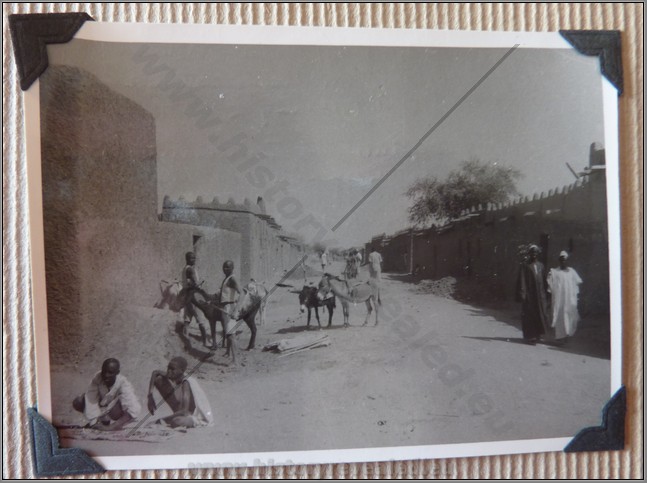 FA 133 | 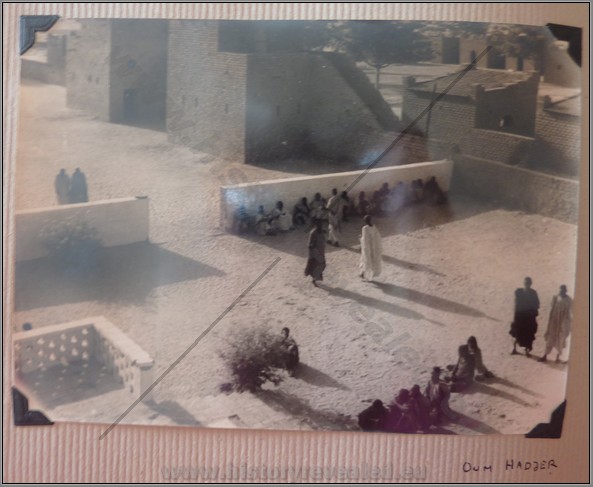 FA 133 |
 FA 133 | 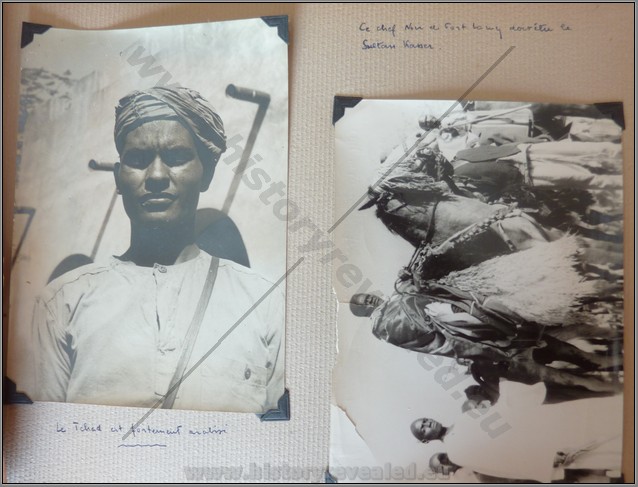 FA 133 | 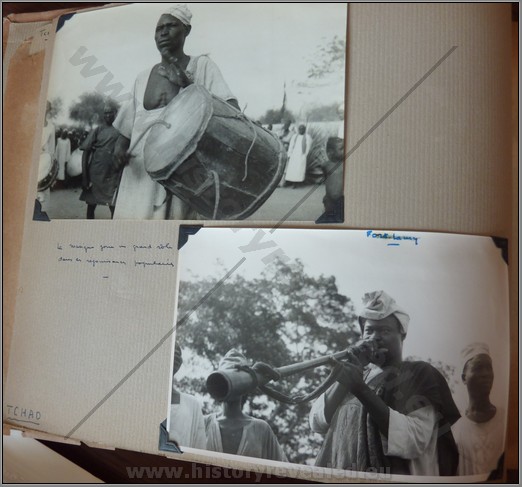 FA 133 |  FA 133 |
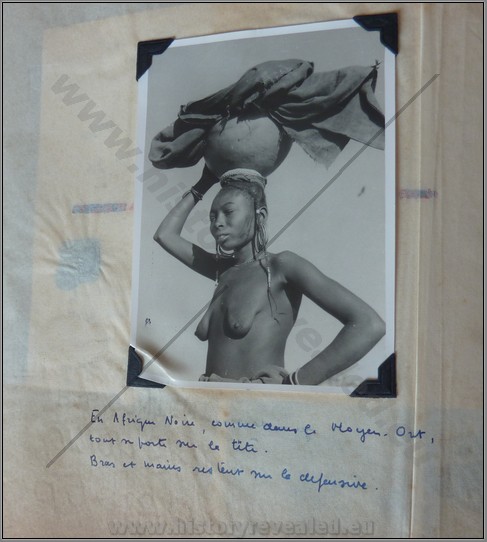 FA 133 | 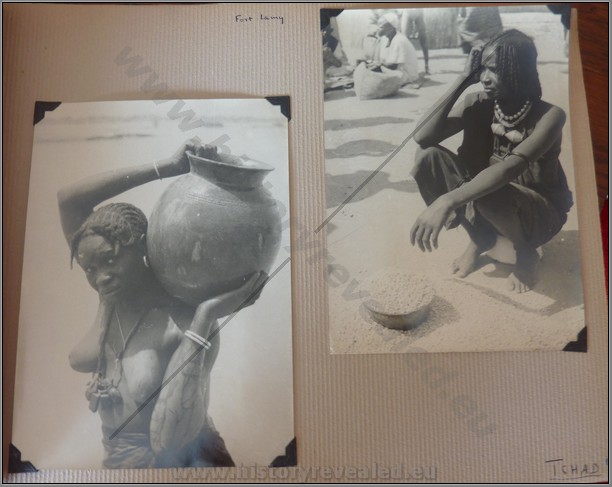 FA 133 | 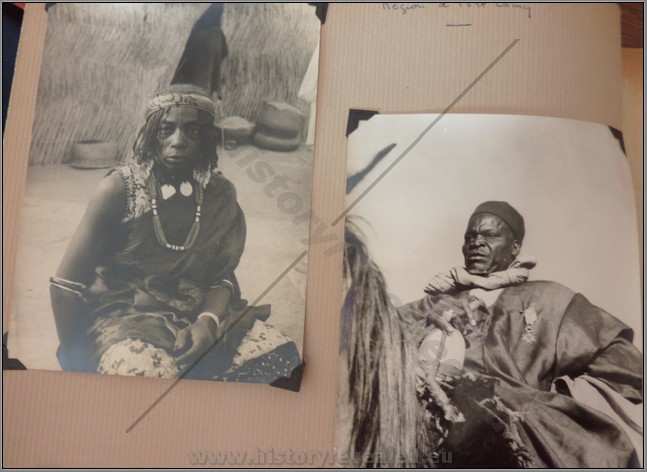 FA 133 | 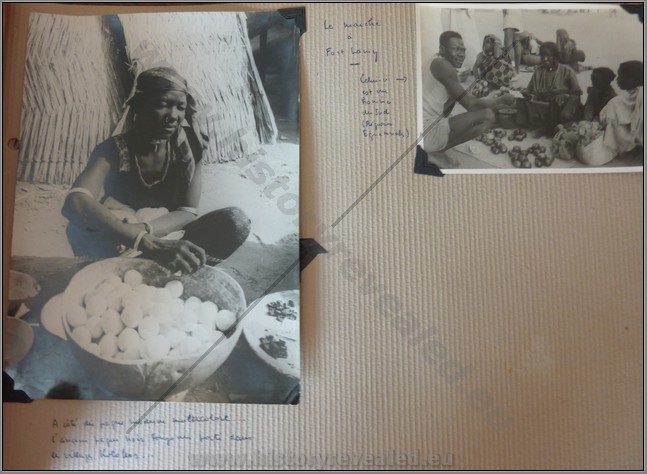 FA 133 |
 FA 133 | 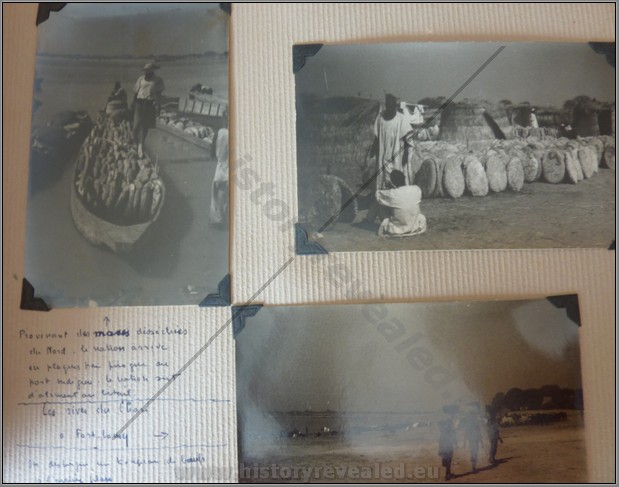 FA 133 | 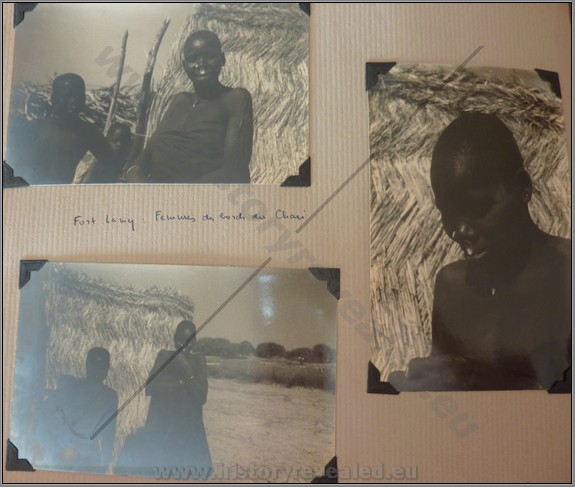 FA 133 | 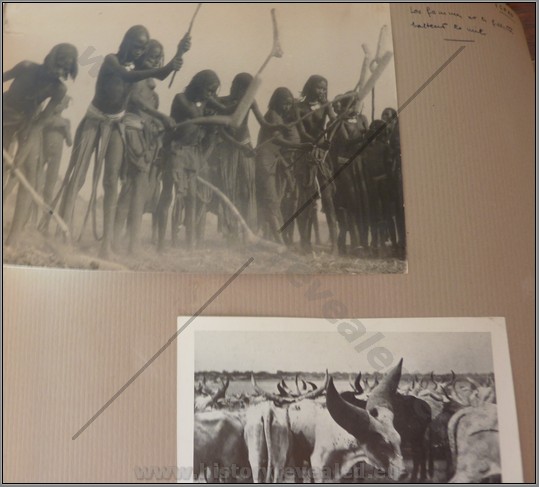 FA 133 |
 FA 133 | 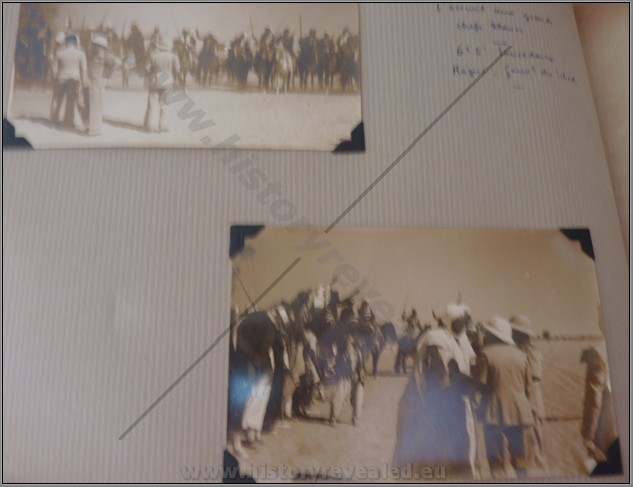 FA 133 | 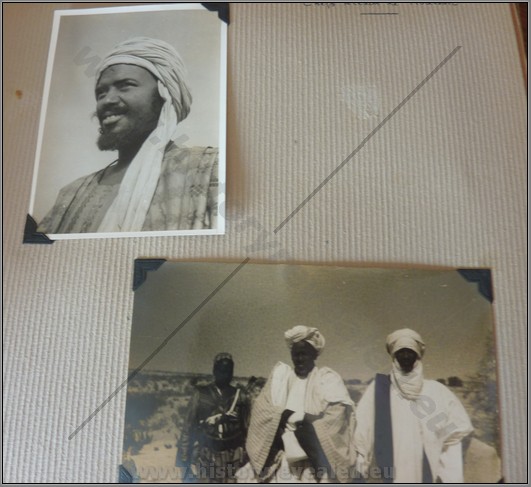 FA 133 | 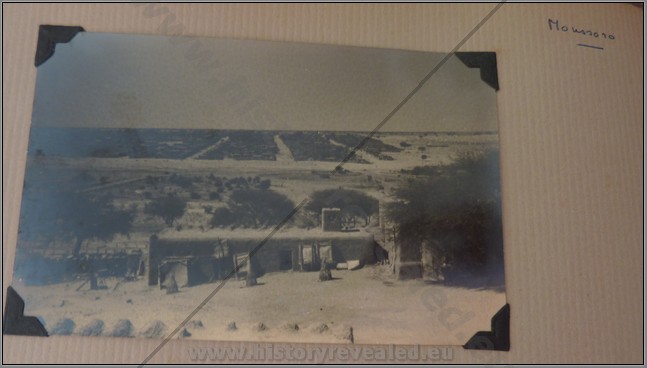 FA 133 |
 FA 133 | 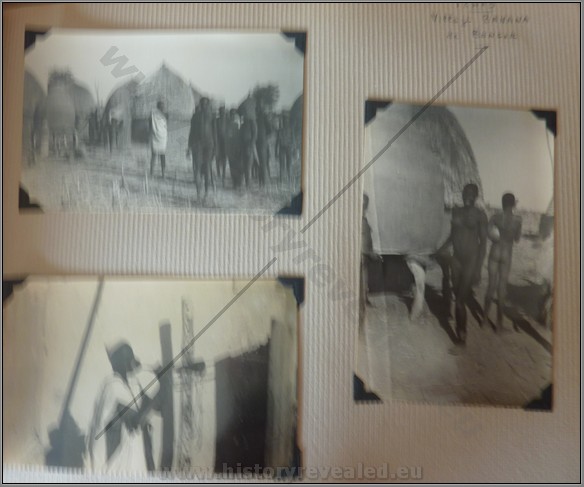 FA 133 | 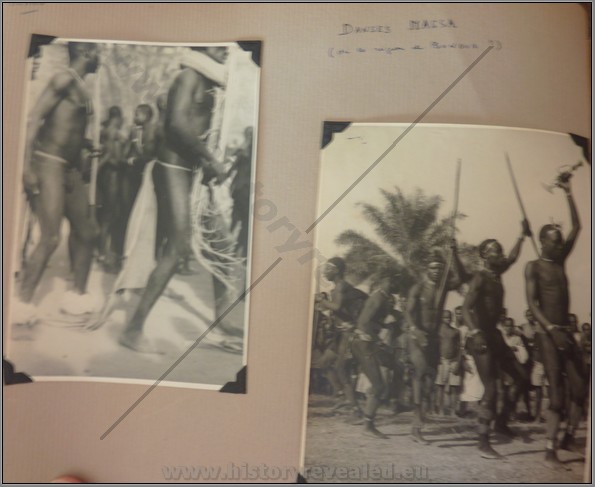 FA 133 | 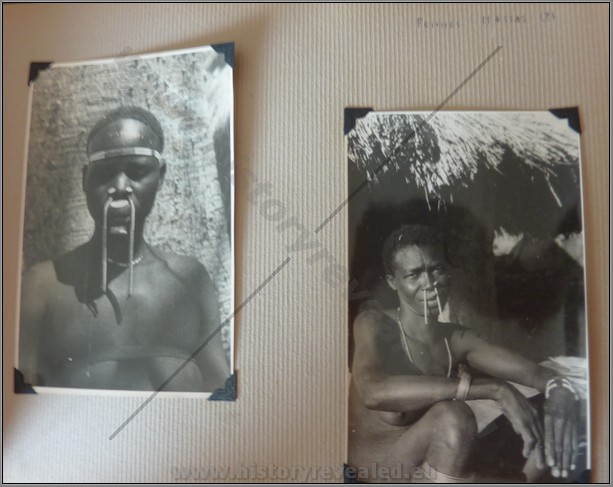 FA 133 |
 FA 133 | 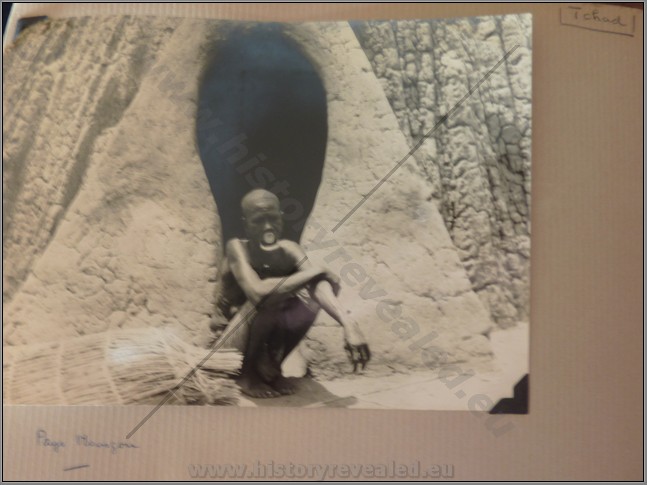 FA 133 | 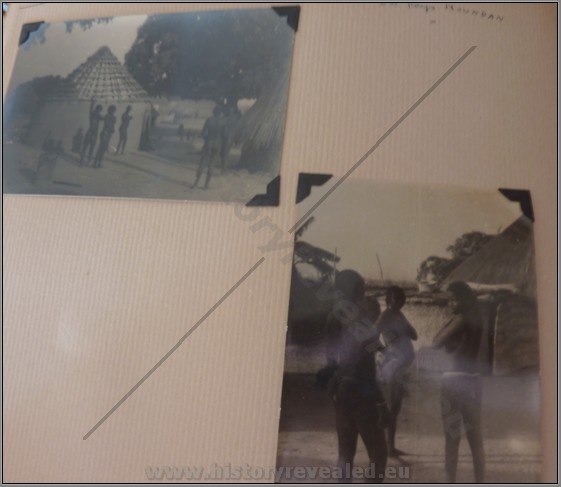 FA 133 | 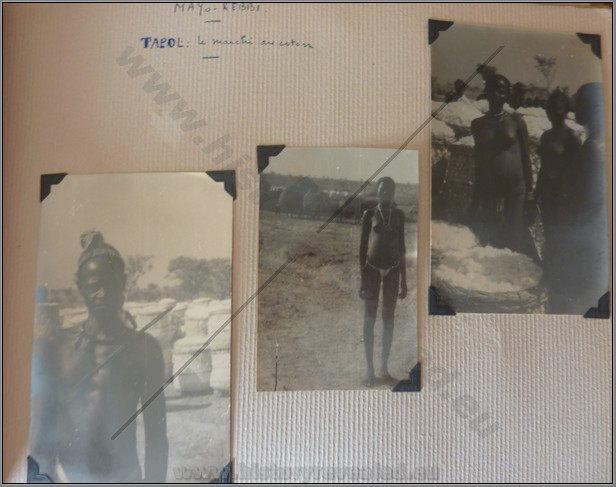 FA 133 |
 FA 133 | 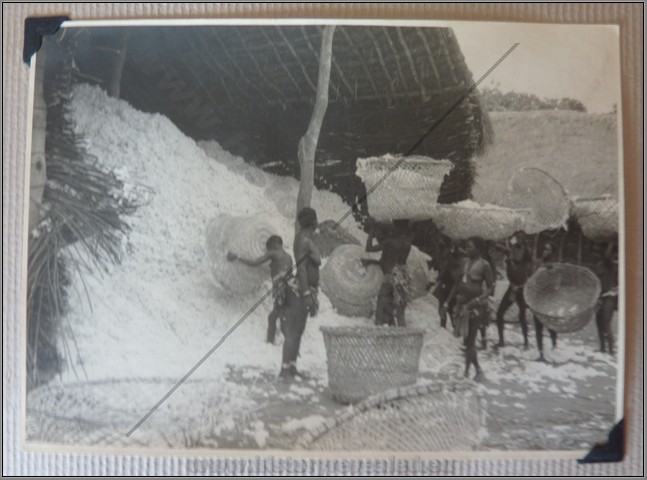 FA 133 | 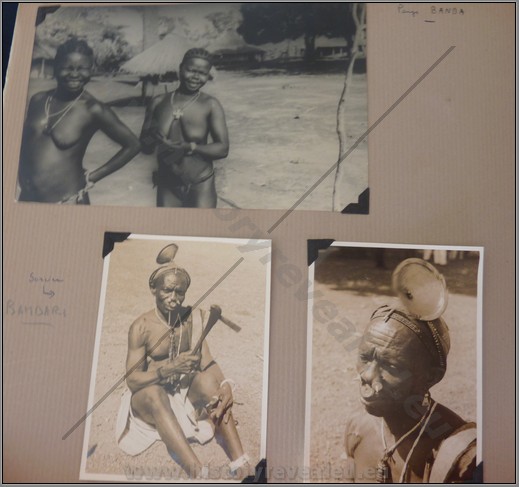 FA 133 | 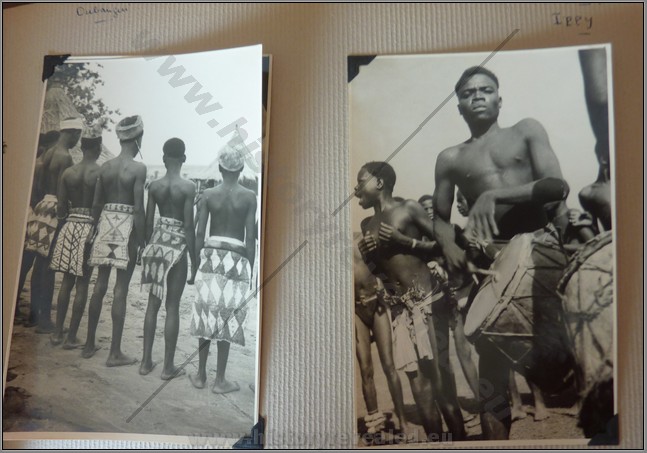 FA 133 |
 FA 133 | 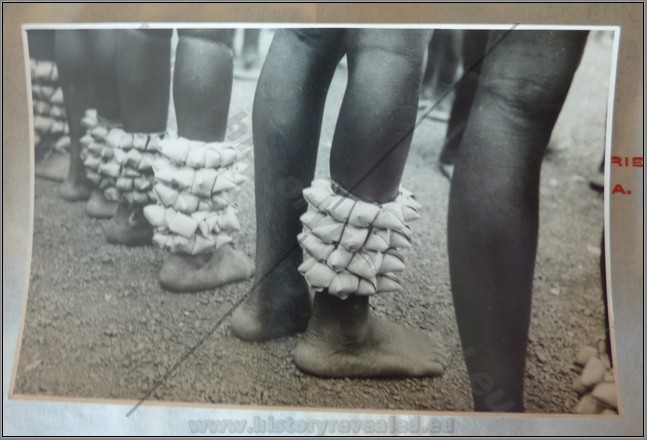 FA 133 | 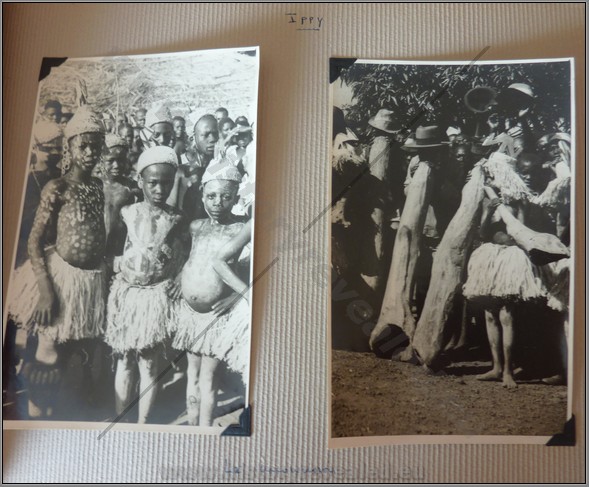 FA 133 | 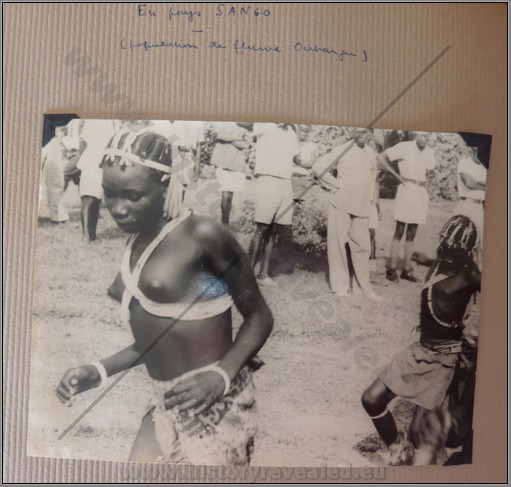 FA 133 |
 FA 133 | 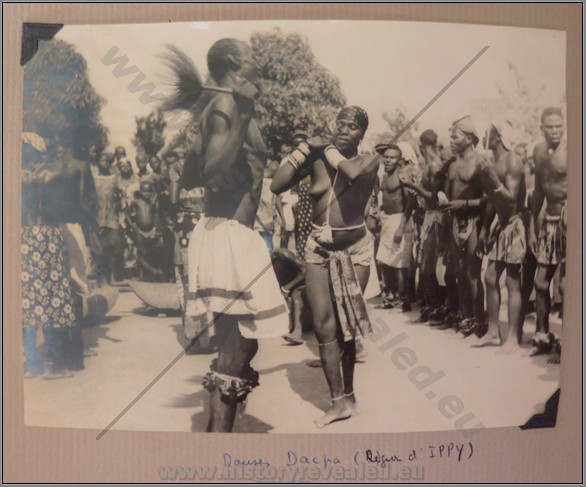 FA 133 | 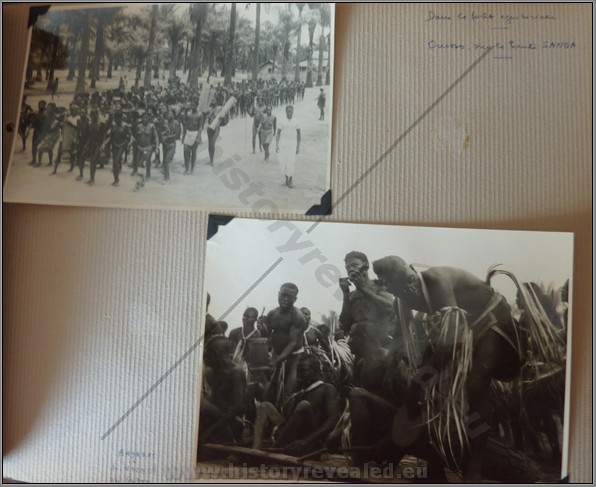 FA 133 | 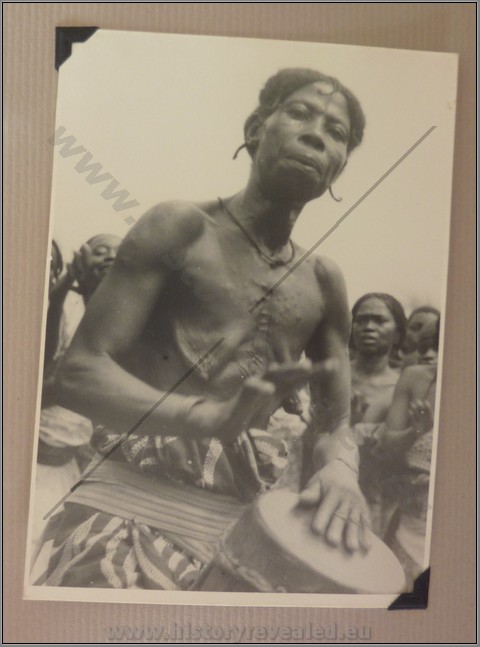 FA 133 |
 FA 133 | 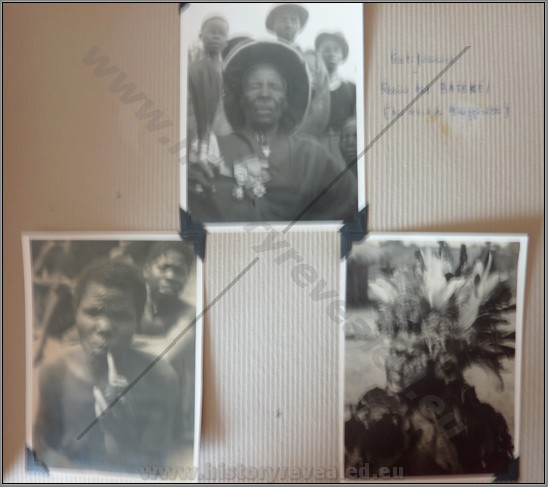 FA 133 | 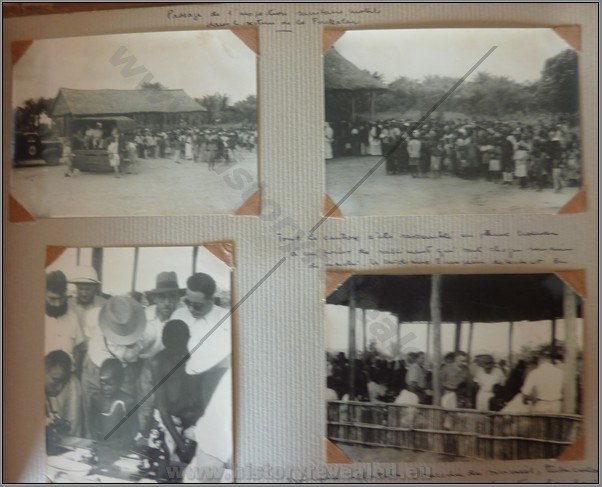 FA 133 | 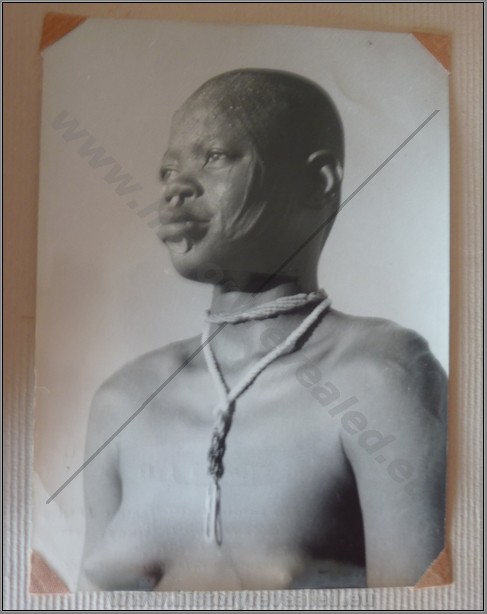 FA 133 |
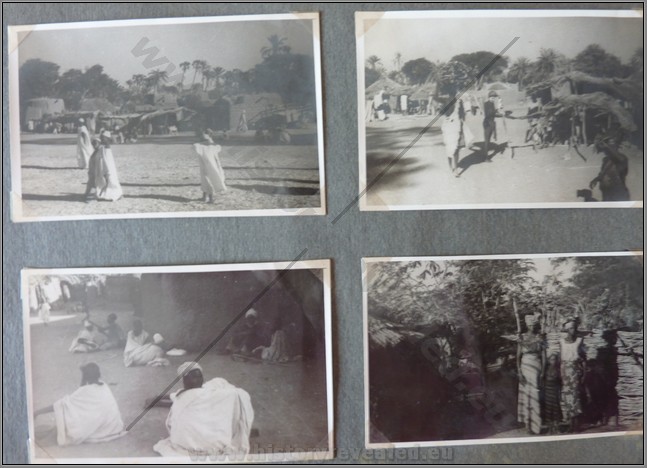 FA 133 | 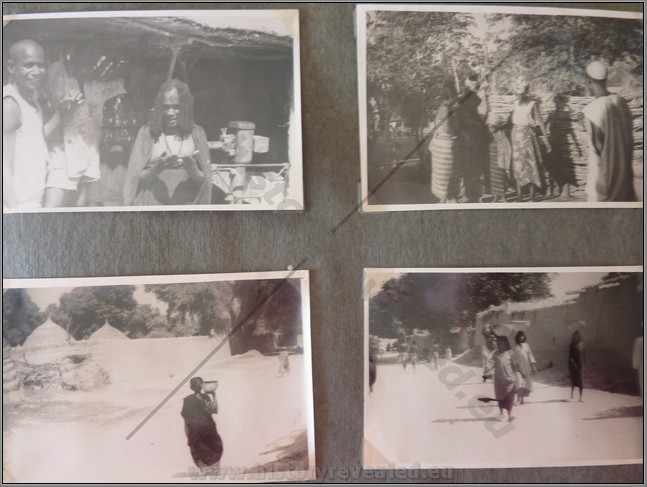 FA 133 | 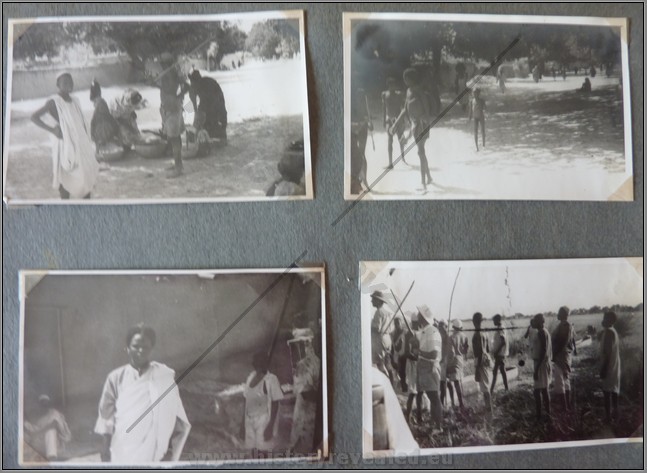 FA 133 | 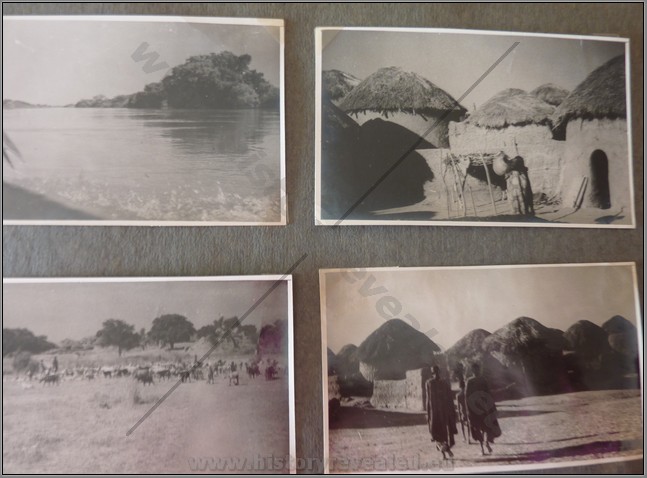 FA 133 |
 FA 133 | 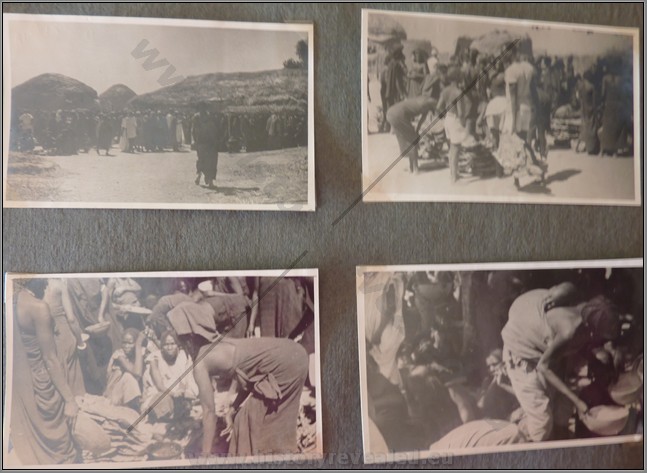 FA 133 | 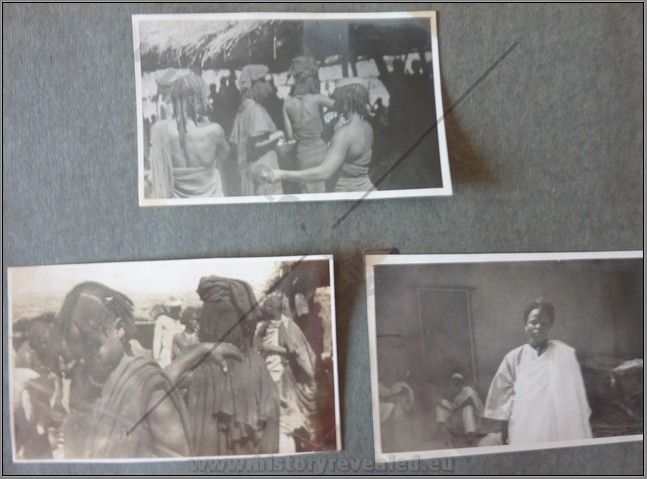 FA 133 | 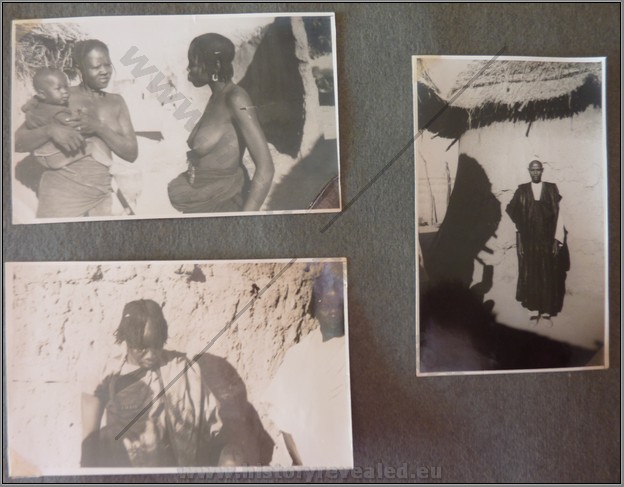 FA 133 |
 FA 133 | 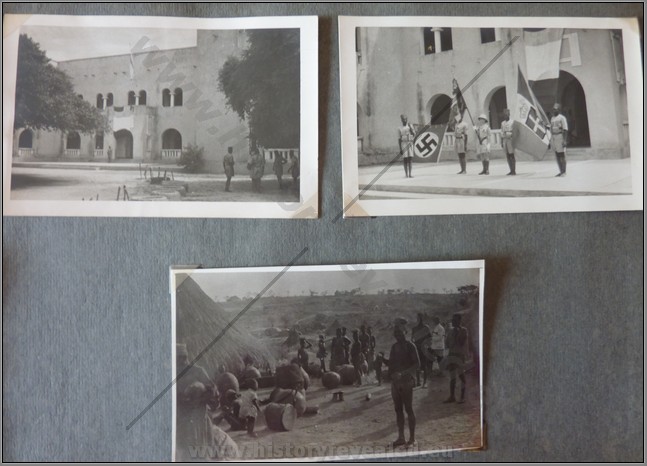 FA 133 | 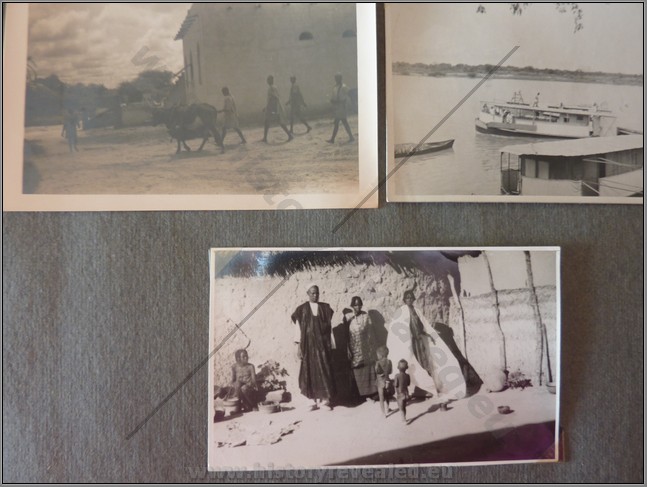 FA 133 | 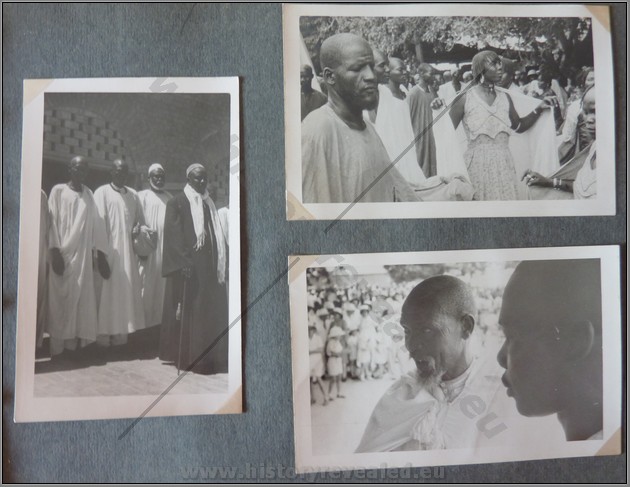 FA 133 |
 FA 133 | 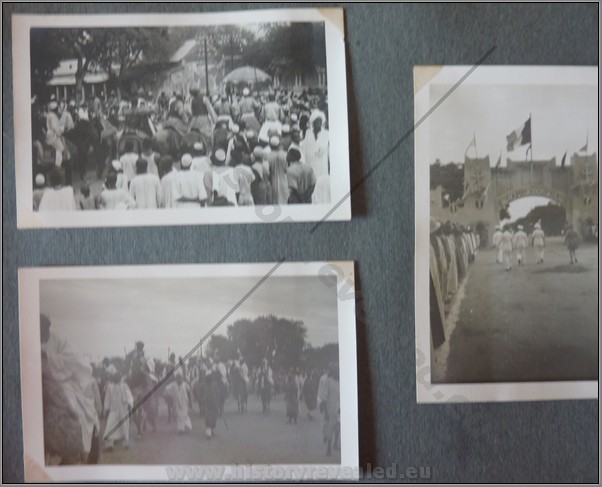 FA 133 | 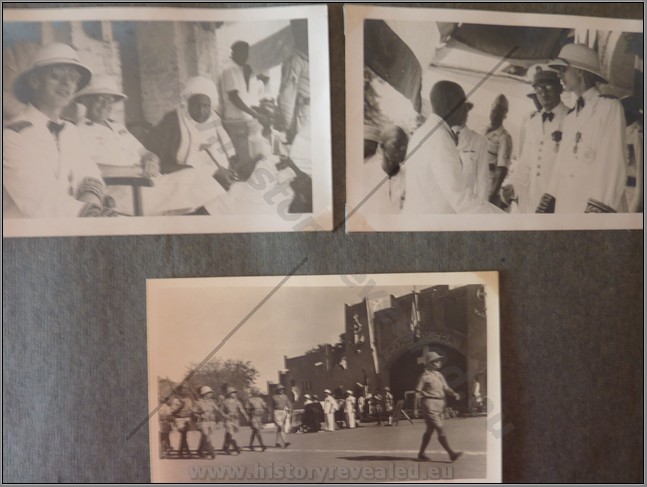 FA 133 | 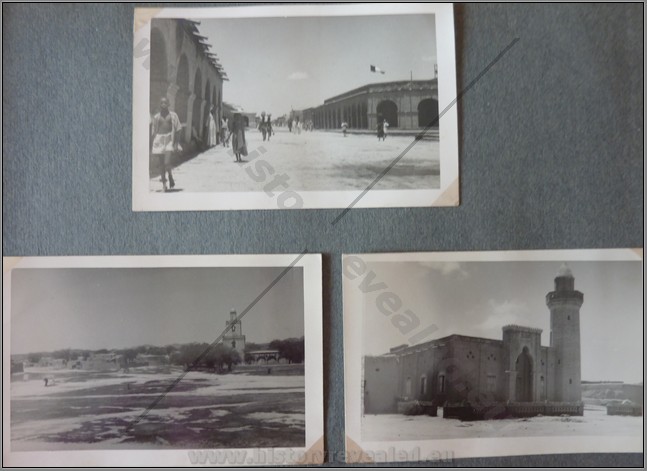 FA 133 |
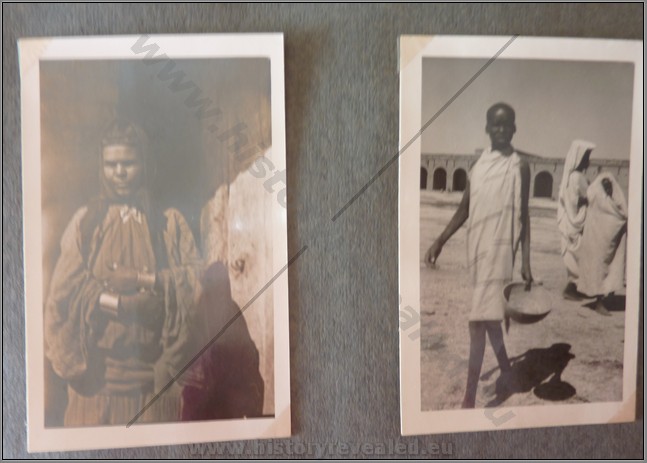 FA 133 | 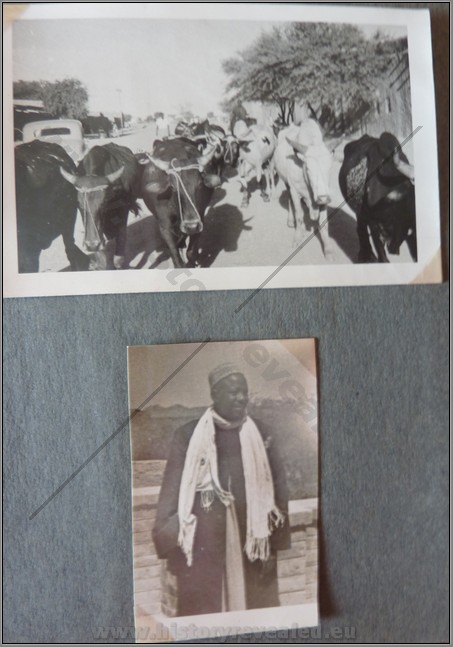 FA 133 | 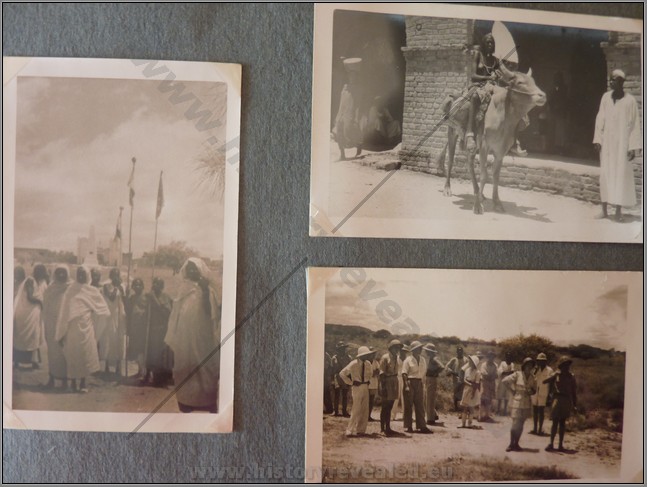 FA 133 | 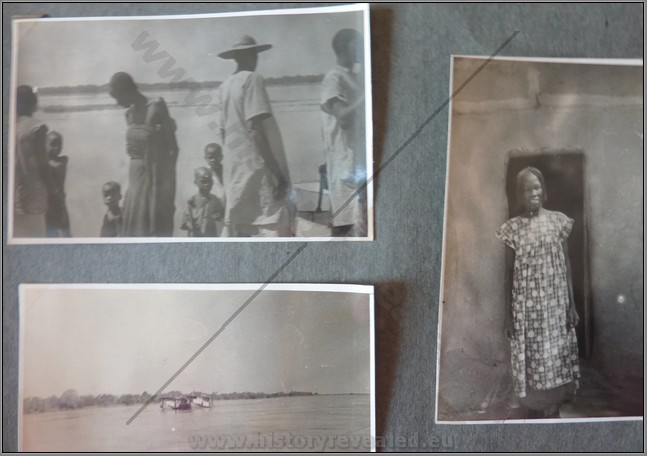 FA 133 |
 FA 133 | 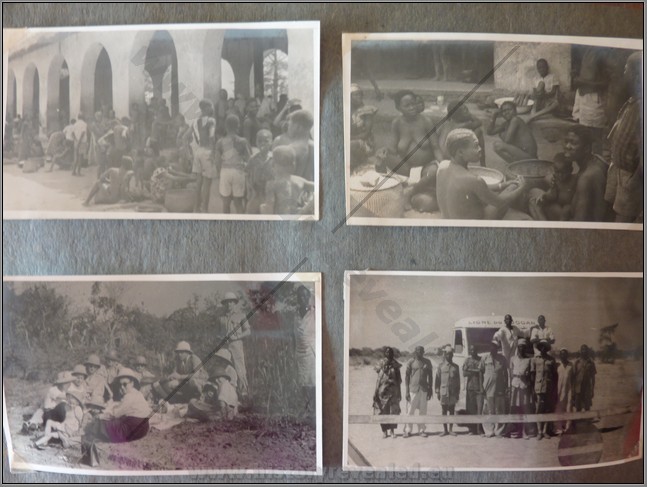 FA 133 | 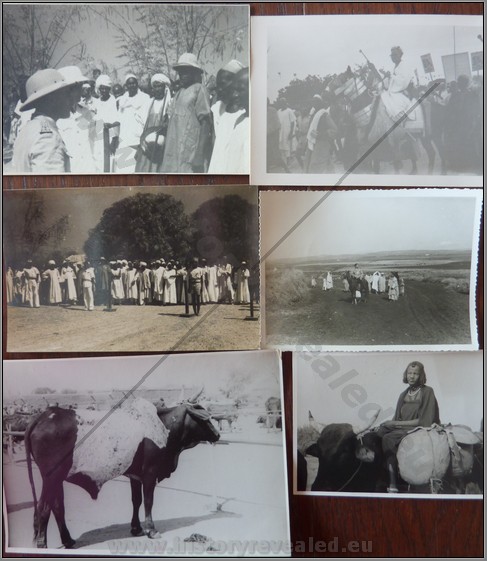 FA 133 | 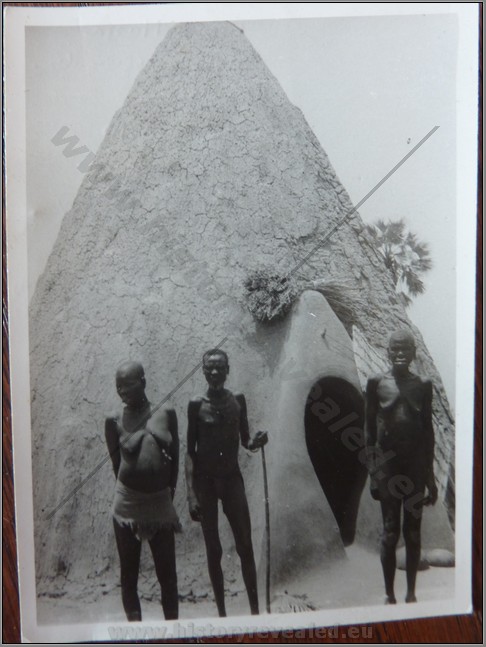 FA 133 |
 BCC 267
 BCC 267
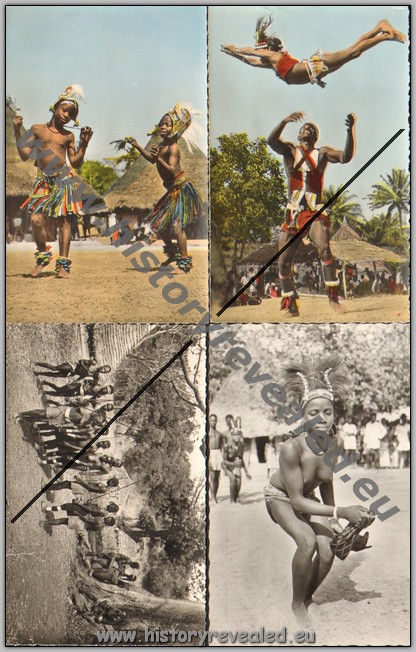
A collection of 8 postcards on dancers in French Equatorial Africa. M
Price: $160.00
 FA 389
 FA 389
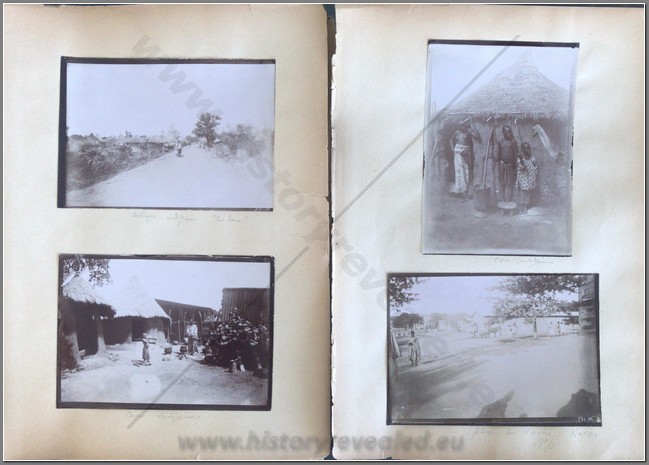
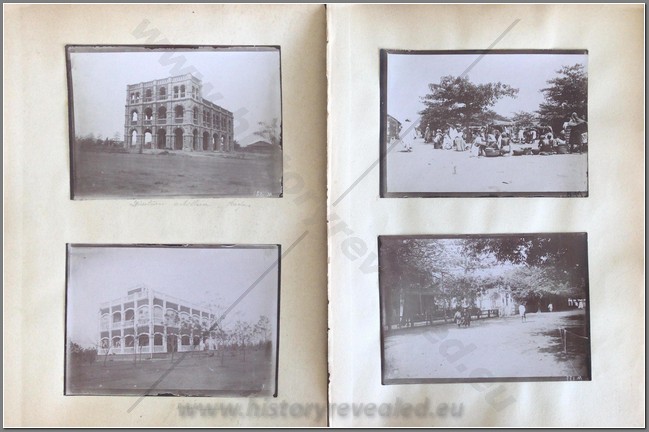
A homogeneous group of 16 photos of 1896 Kayes, Mali. Shown are a group of Moroccans on the Senegal River, a local village, life around local huts, local marketplace, railroad bridge, French administrative buildings, French maritime ships docked, village life, French building Direction D’Artillerie. Most photos captioned.
Price: $480.00
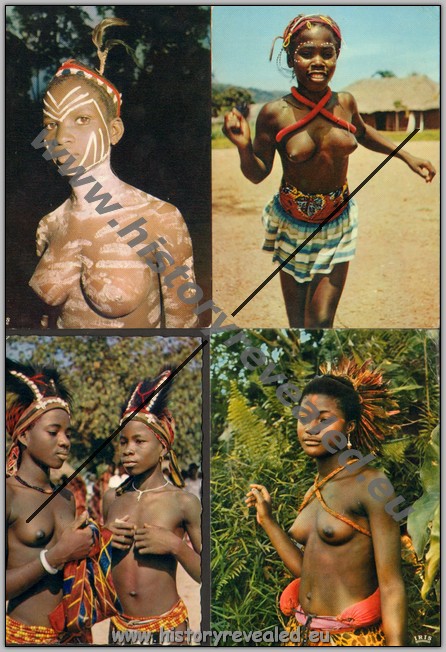
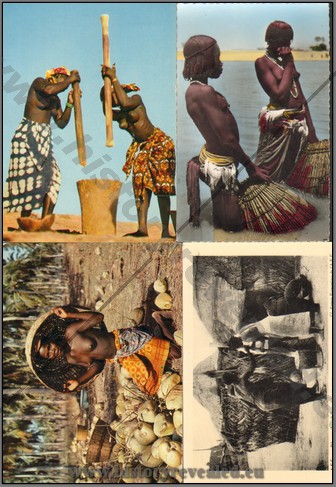
A collection of 19 postcards showing women at work in French Equatorial Africa. M
Price: $300.00
 BCC 265 | 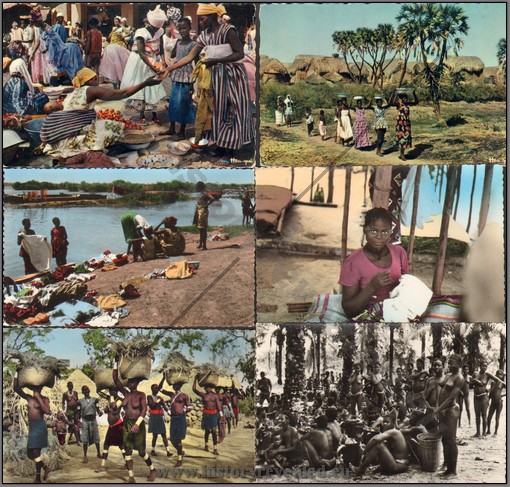 BCC 265 | 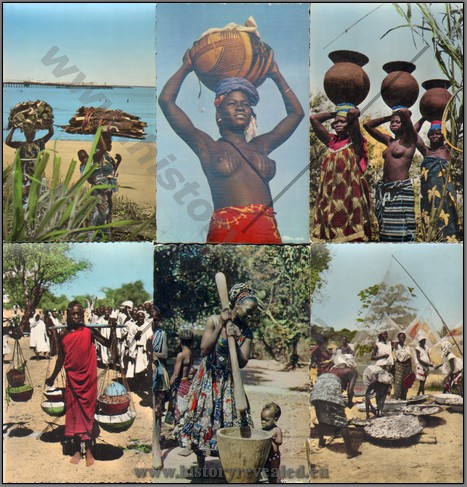 BCC 265 |