 ME 208
Early postcard by the Hasso Brothers of Baghdad showing the bazar in Mosul. B
Price: $30.00

ME 208
Early postcard by the Hasso Brothers of Baghdad showing the bazar in Mosul. B
Price: $30.00
 PR 087
Three photos of the 1927 visit to Italy of Seif al-Islam Mohamed Ben Yahya el-Husayn, who was the son of the leader of Yemen, Imam Yahya. One shows him disembarking at Rome airport, another undertaking a naval review, the last is at Piazza Venezia in Rome. B
NOTE: In the 1920’s Mussolini's plan was to be able to control, together with Great Britain and France, above all the naval traffic heading north, towards the Mediterranean Sea. To this end there was a particular episode, now almost completely forgotten: the Italian attempt to control both sides of the southern access to the Red Sea, thus turning the Bāb el-Mandeb into a sort of second channel of Suez, but this time a completely natural canal.
Mussolini, already shortly after coming to power, had begun to think of setting foot in that part of the Arabian peninsula overlooking the southern coast of the Eritrean colony and belonging, officially since 1926, but in fact since 1918, to the Kingdom of Yemen, a state which, it should be noted, was only a portion of the territory of present-day Yemen. The southernmost area was at the time divided into various sultanates, emirates and sheikhdoms, almost all under the protectorate of Great Britain, which also owned both the colony of Aden and the islet of Perim, located right in the middle of the Strait of Bab el Mandeb.
To formalize and consolidate relations with Yemen, the son of Imam Yahya, Seif al-Islam Mohamed Ben Yahya el-Husayn, was invited to Italy, where, in June 1927, he was received on an official visit by the king and Mussolini. On this occasion, aiming for Italy to make possible sales of heavy weapons, the prince first attended military exercises with the use of tanks in the Tor di Quinto field, subsequently visiting the steel mills of Terni, where they also produced pieces of artillery for naval and land use, and thereafter the military airport of Rome-Ciampino, where he had the opportunity to examine some examples of fighter and bombing aircraft.
In the following months and years not only commercial relations grew (with the Italian import of food products - in particular, coffee and spices - and precious ones - such as pearls and amber) and exports to Yemen (in particular, of vehicles , machinery and refined petrol), but also organizational ones in the field of communications (with the creation of two radio stations in the ports of Hodeidah and Mokha and two telegraph stations in Sana'a and Mokha) and health care, with the creation of a medical clinic in the capital, with Italian personnel, mostly from military health care. By the 1930’s however, Italian relations with Yemen had a series of setbacks and the British, now suspicious of Italian aims, worked hard to prevent any meaningful agreements that could undermine British interests in the region. See: https://www.ilcornodafrica.it/quando-litalia-sognava-di-poter-controllare-laccesso-meridionale-al-mar-rosso/
Price: $390.00
 PR 086
 PR 086
 PR 086
Photo album of Bahrein and possibly other sites along the Arabian coast from a British officer serving in the region in 1942. Mostly aerial photos, most are identified on reverse. Some of military installations. There are 12 large format aerial photos and 12 snaps of military in Mazira, the RAF landing strip on Basirah Island with Indian guards, military camp at Ras-El- Hadd, the Sheikh of Ras-El-Hadd and his bodyguard, all from 1942. One early post-war photo of RAF planes. B
Price: $1400.00
 PR 086 PR 086 |  PR 086 PR 086 |  PR 086 PR 086 |  PR 086 PR 086 |
 PR 086 PR 086 |  PR 086 PR 086 |  PR 086 PR 086 |  PR 086 PR 086 |
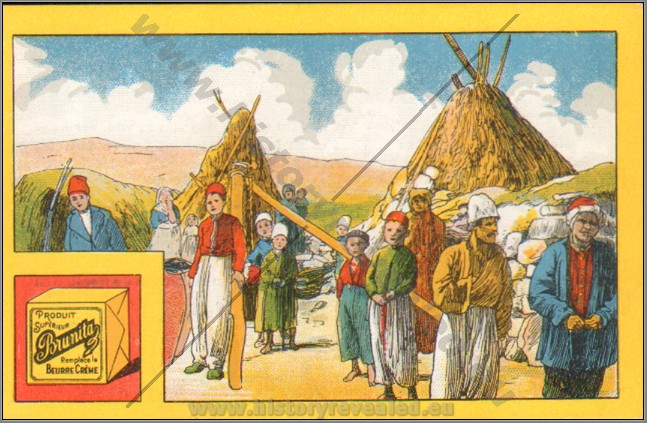 ME 204
Vintage Belgian chromo card on a Kurdish village.m
Price: $30.00
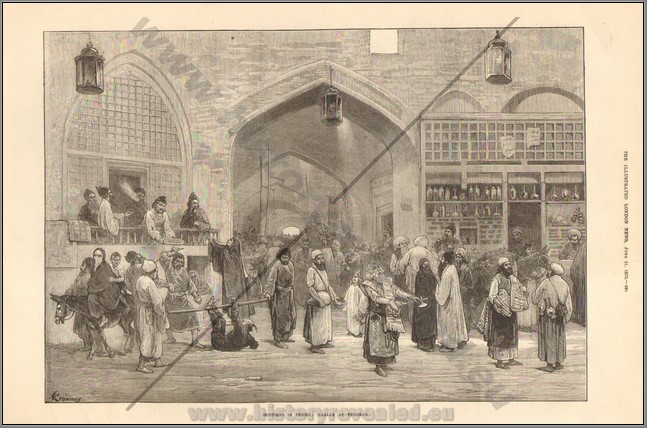 PR 081
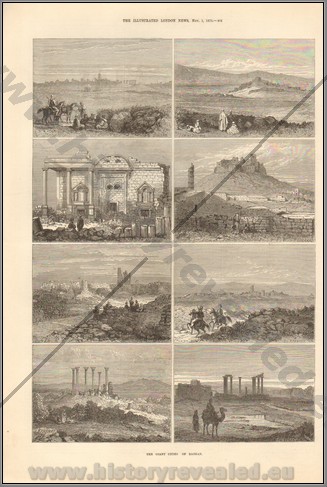 PR 081
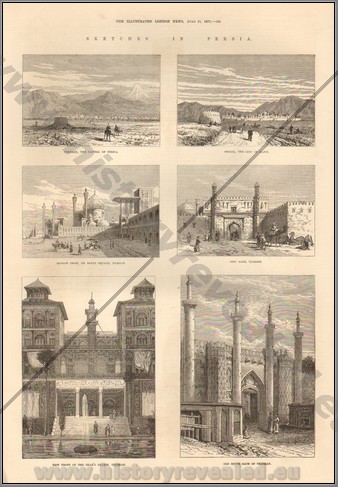 PR 081
Three English illustrations of Tehran and Bashan sketched in 1873. B
Price: $100.00
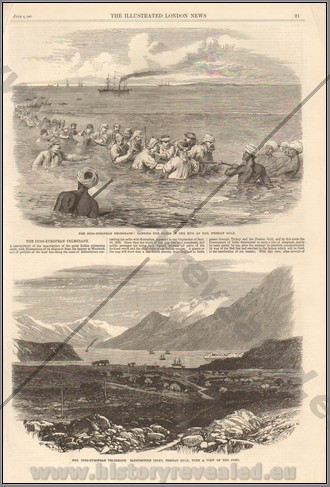 PR 080
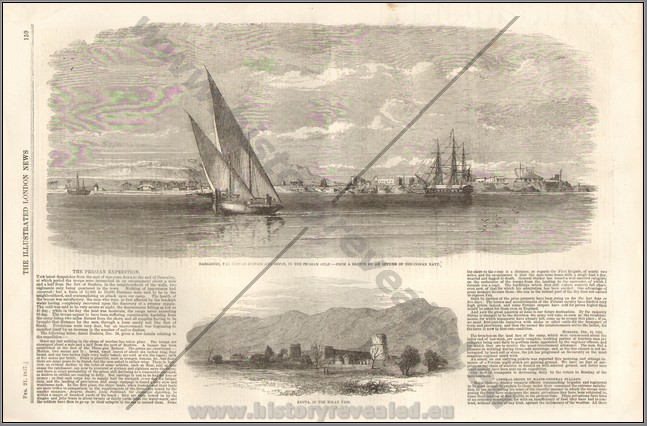 PR 080
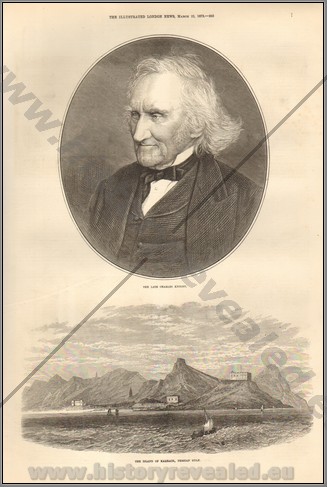
Collection of 7 English illustrations made during the 1856-1857 Persian Expedition and later. This collection focuses on islands in the Persian Gulf. Shown are Bassadore, Karrack, Elphinstone Inlet and Bushire. All with complete articles attached. B
Price: $200.00
 PR 080 PR 080 | 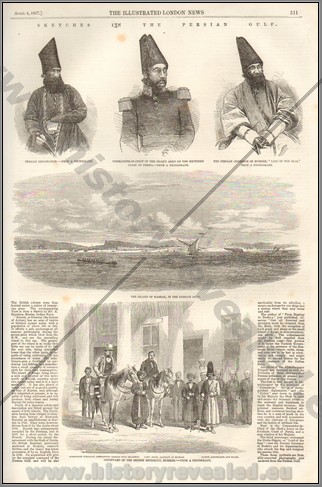 PR 080 PR 080 |  PR 080 PR 080 | 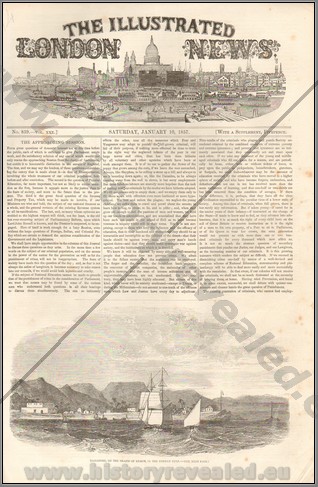 PR 080 PR 080 | 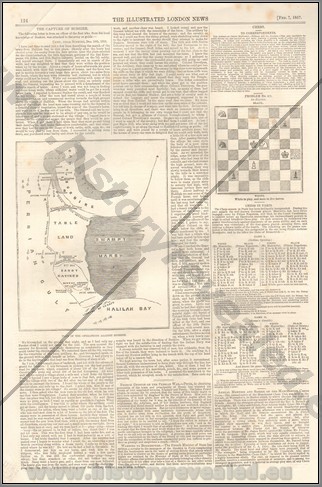 PR 080 PR 080 |
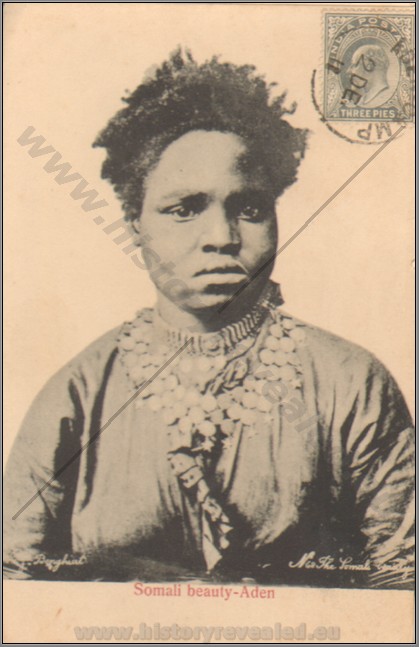 PR 072
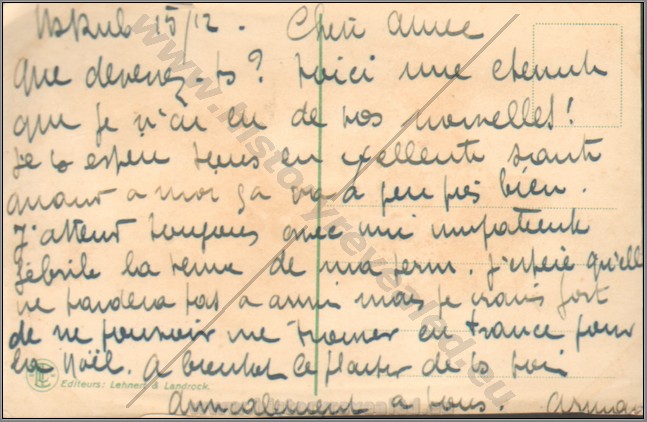 PR 072
1911 postcard of a Somali beauty from Aden. Letter on reverse. M
Price: $40.00
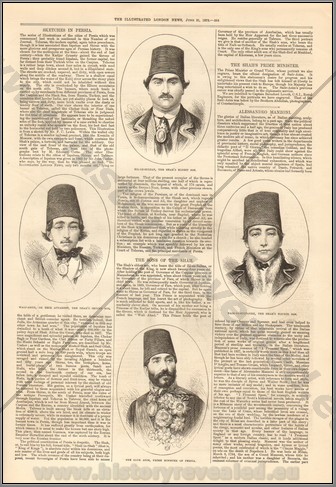 PR 069
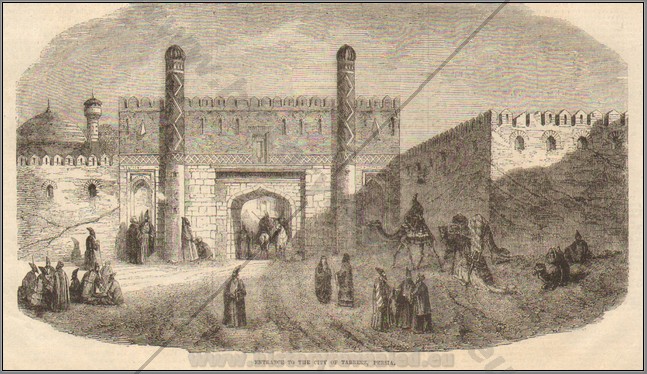
A collection of 19th century French and English illustrations of Persia. B
Price: $250.00
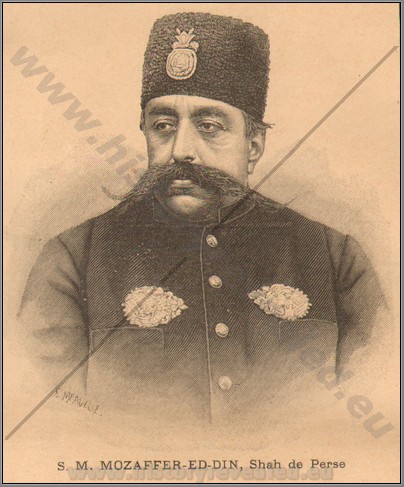 PR 069 PR 069 | 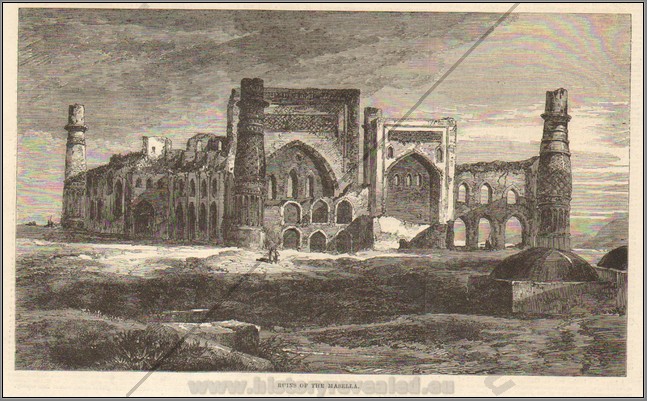 PR 069 PR 069 | 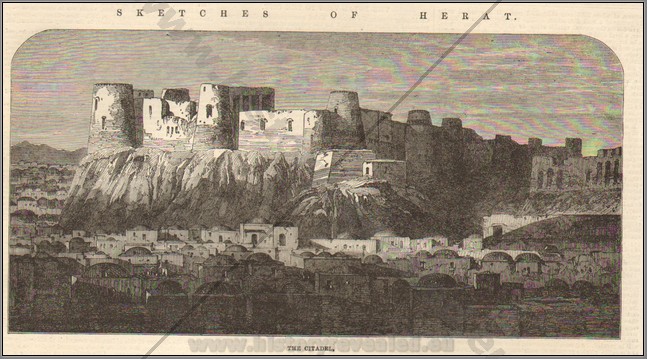 PR 069 PR 069 | 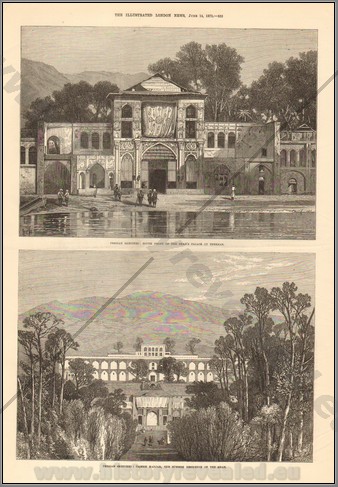 PR 069 PR 069 |
 PR 069 PR 069 | 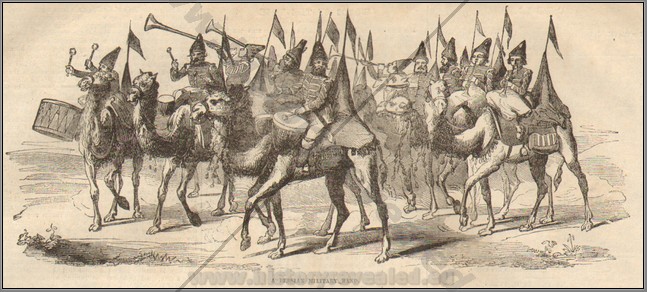 PR 069 PR 069 |  PR 069 PR 069 | 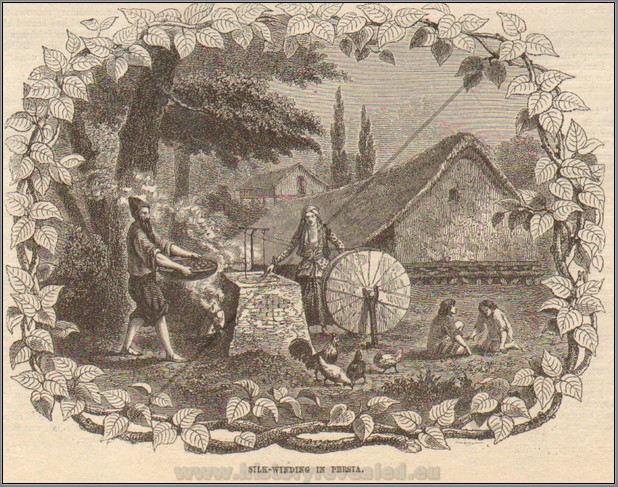 PR 069 PR 069 |
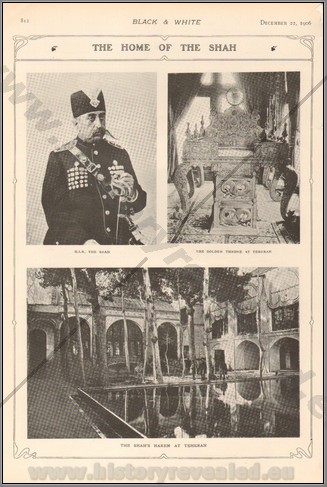 PR 069 PR 069 | 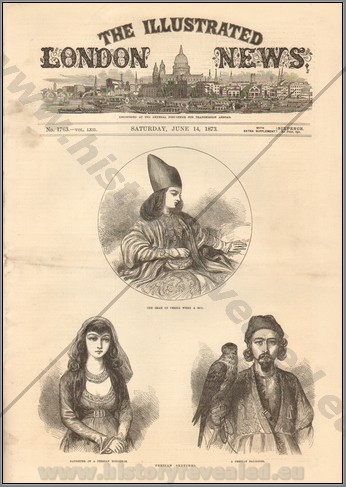 PR 069 PR 069 | 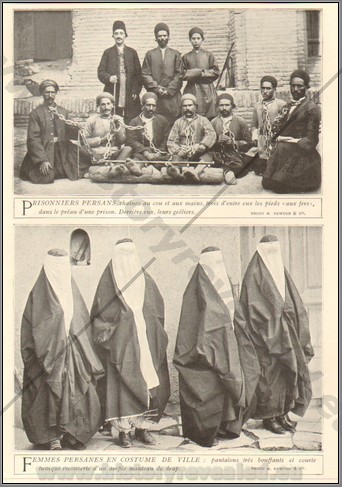 PR 069 PR 069 | 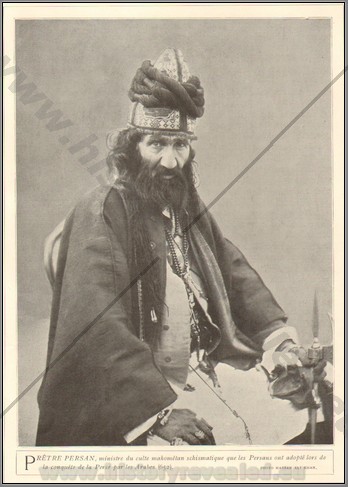 PR 069 PR 069 |
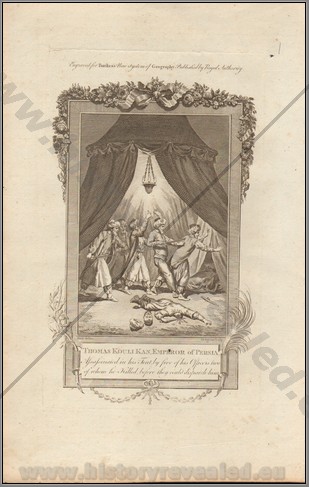 PR 052
18th century engraving of Thomas Kouli Kan, Emperor of Persia. B3
Price: $60.00
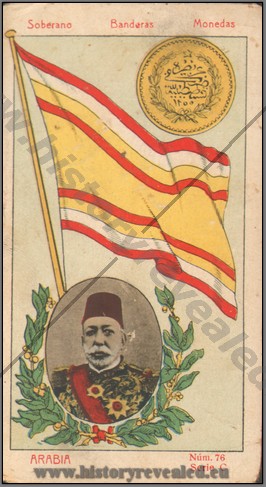 PR 048
Spanish chromo of Arabia, late 19th century. 7x13cm. M
Price: $90.00