 CEP 241
 CEP 241
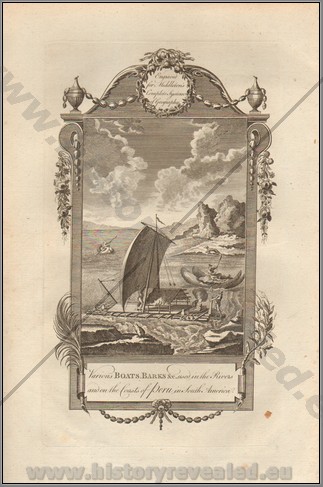
Collection of ten 18th and early 19th century engravings of Peru. ECC
 CEP 241 CEP 241 | 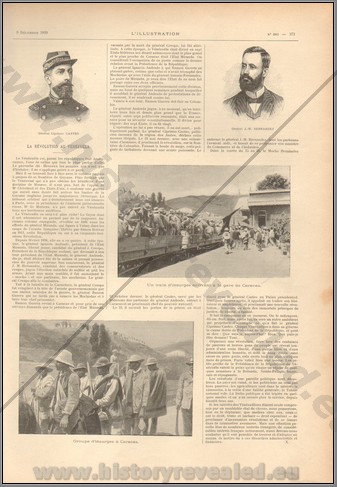 CEP 241 CEP 241 | 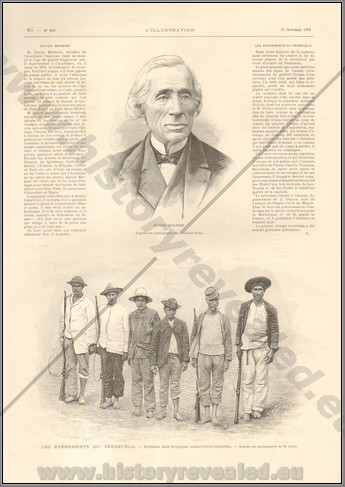 CEP 241 CEP 241 | 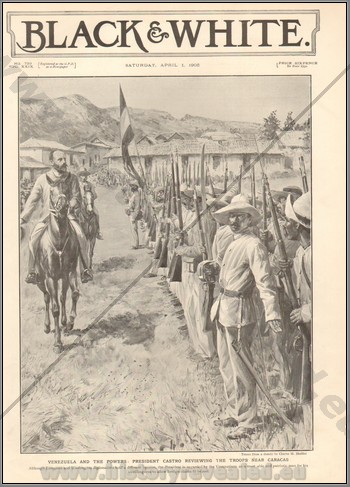 CEP 241 CEP 241 |
 CEP 241 CEP 241 |  CEP 241 CEP 241 |  CEP 241 CEP 241 |  CEP 241 CEP 241 |

CEP 241CEP 241
Collection of ten 18th and early 19th century engravings of Peru. ECC
| CEP 241 | CEP 241 | CEP 241 | CEP 241 |
| CEP 241 | CEP 241 | CEP 241 | CEP 241 |
 PTO 355
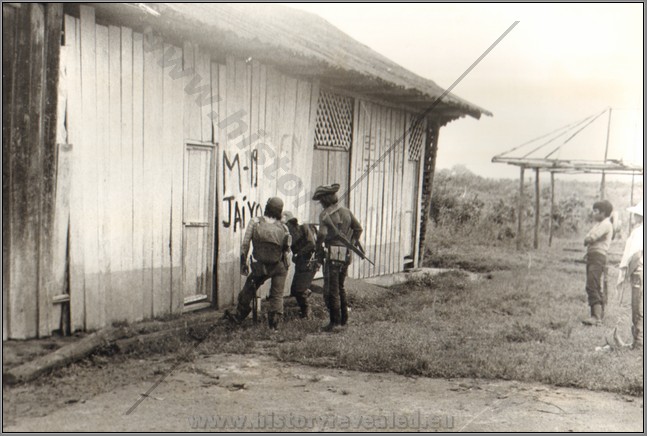 PTO 355
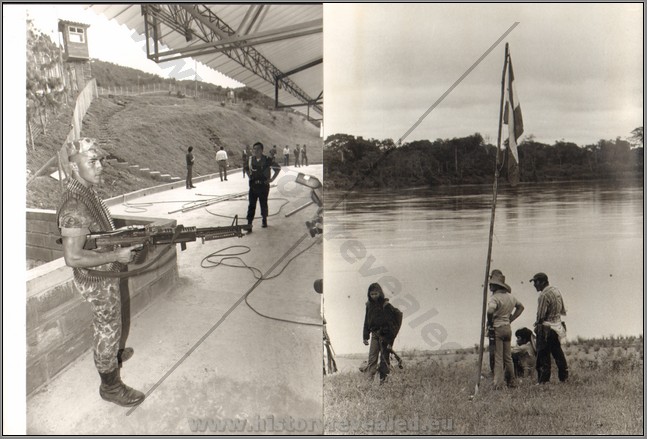
Three French press photos of Colombia. One shows a guard standing outside Pablo Escobar’s jail in 1991, the other two relate to guerilla activity in 1981. All captioned. NC
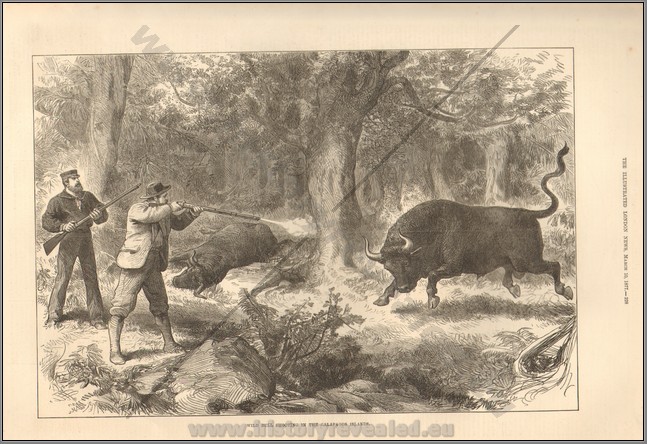 CEP 244
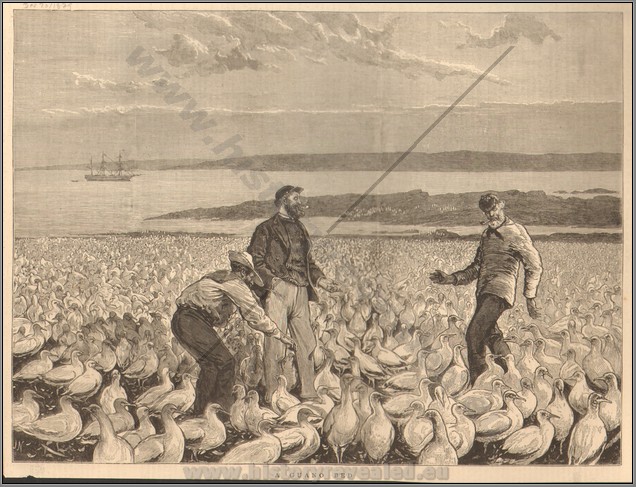 CEP 244
 CEP 244
Three illustrations of the Galapagos and Chincha islands from 1863-1877. EC
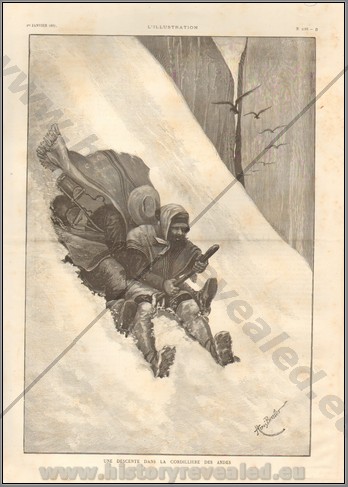 CEP 243
 CEP 243
 CEP 243
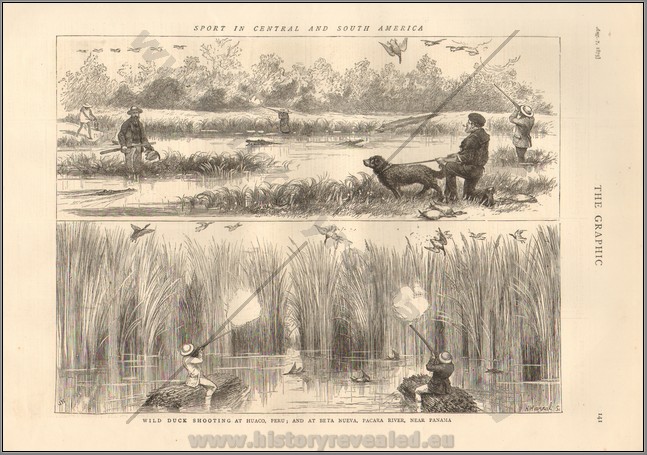
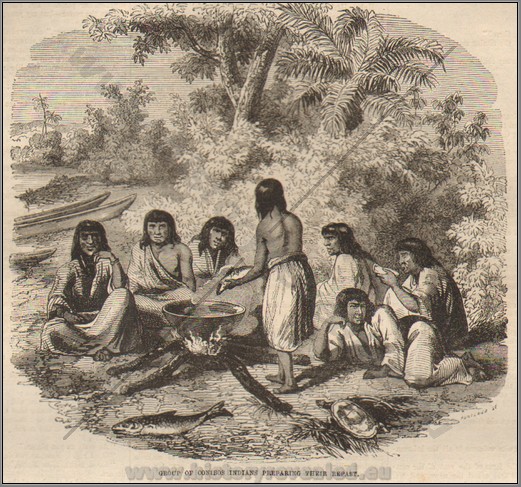
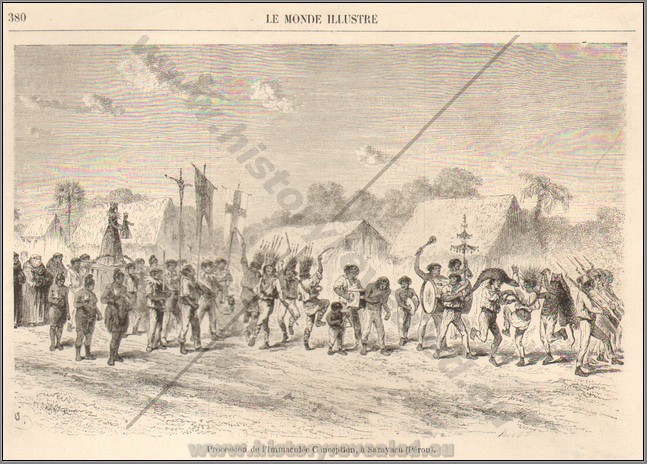
Collection of 13 illustrations from French and English 19th century periodicals on Types, Habits and Views of Peru. RCC
 CEP 243 CEP 243 | 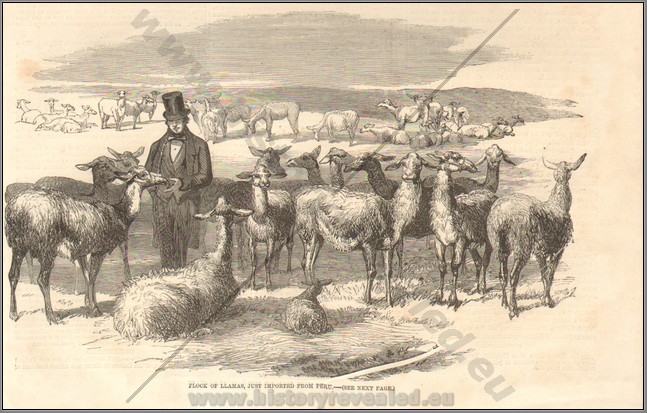 CEP 243 CEP 243 |  CEP 243 CEP 243 | 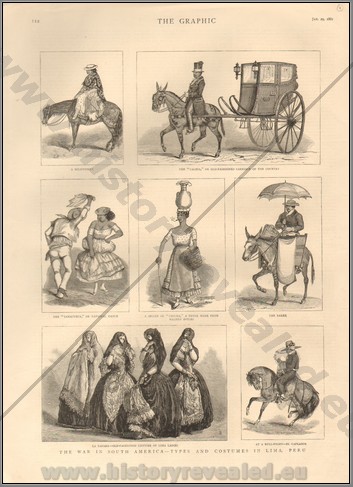 CEP 243 CEP 243 |
 CEP 243 CEP 243 | 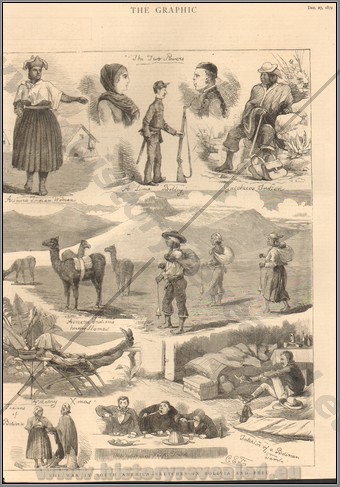 CEP 243 CEP 243 | 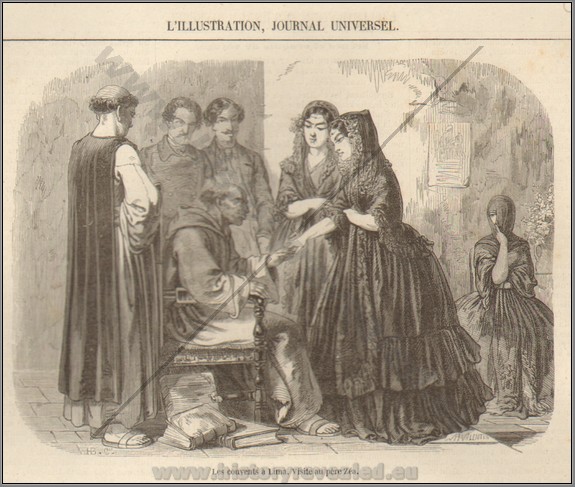 CEP 243 CEP 243 | 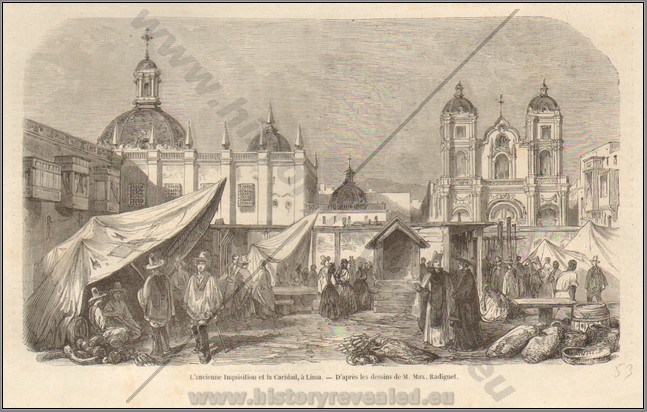 CEP 243 CEP 243 |
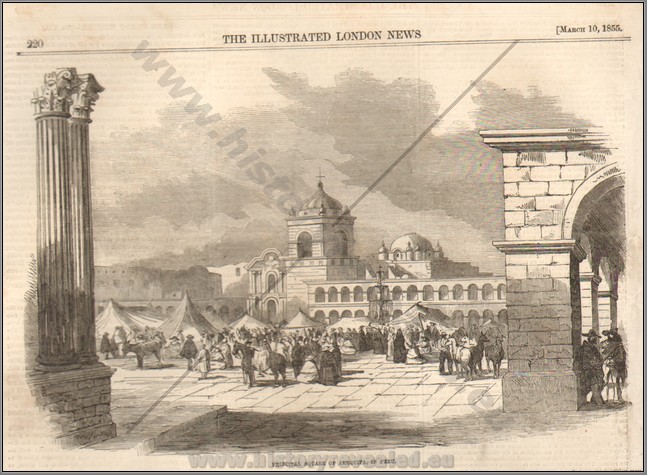 CEP 243 CEP 243 | 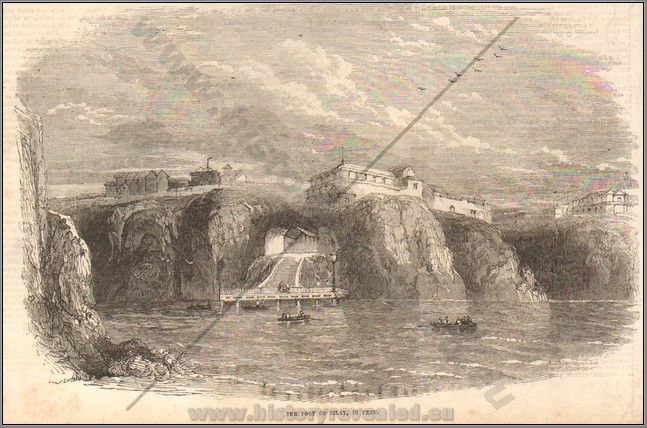 CEP 243 CEP 243 | 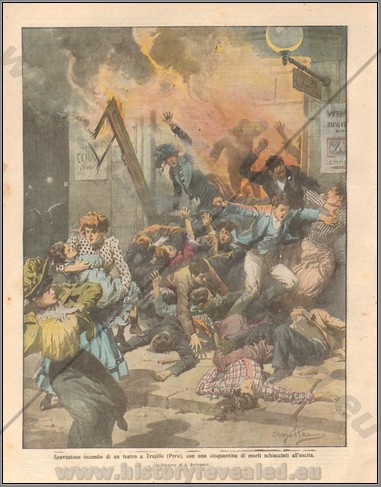 CEP 243 CEP 243 | 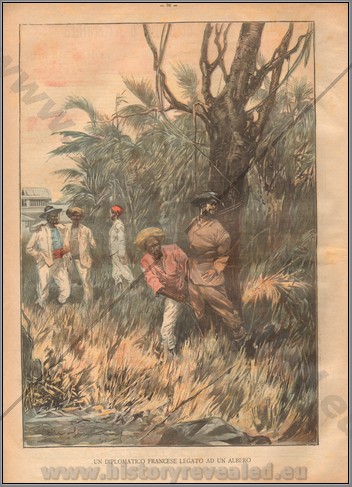 CEP 243 CEP 243 |
 CEP 229
 CEP 229
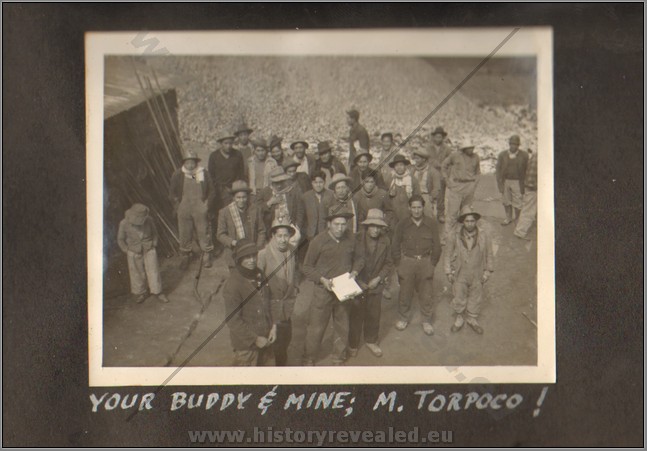 CEP 229
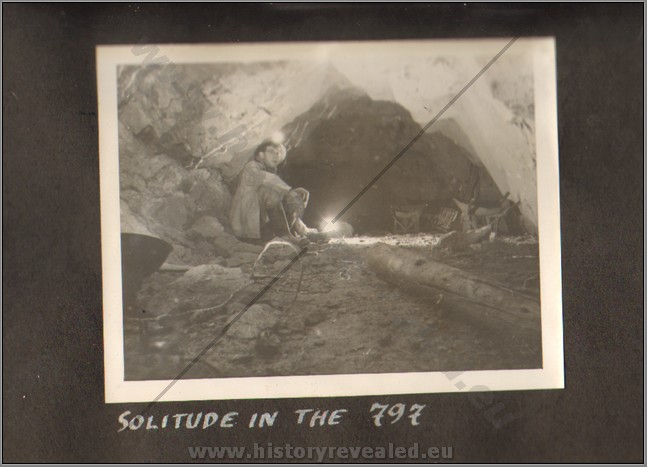
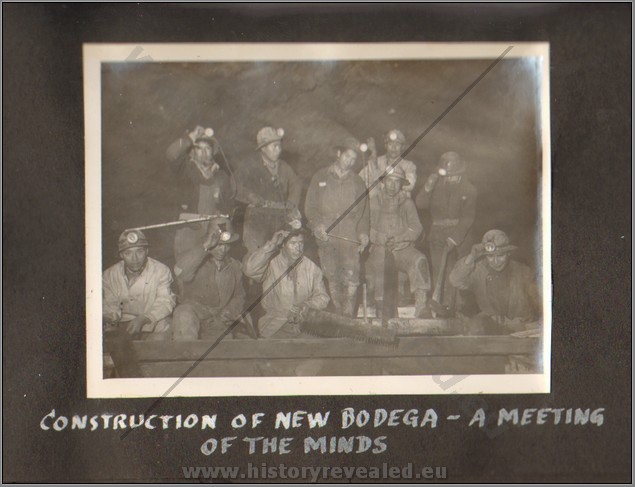
Photo album belonging to an American engineer working at the San Cristobal mine in Peru in 1954. 45 photos, good quality. Different aspects of the mine, local workers, local life, managers socializing. LCC
Note: "San Cristobal Mine - 5" is a producer deposit site discovered in 1928 in the Andean Mountain System of Junin, Peru. It is a deposit, located in the San Cristobal-Carahuacra District mining district and is not considered to be of world-class significance. It began production in 1938.
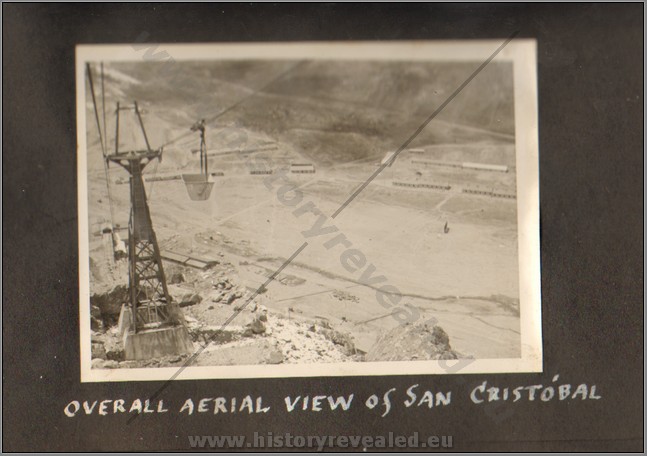 CEP 229 CEP 229 | 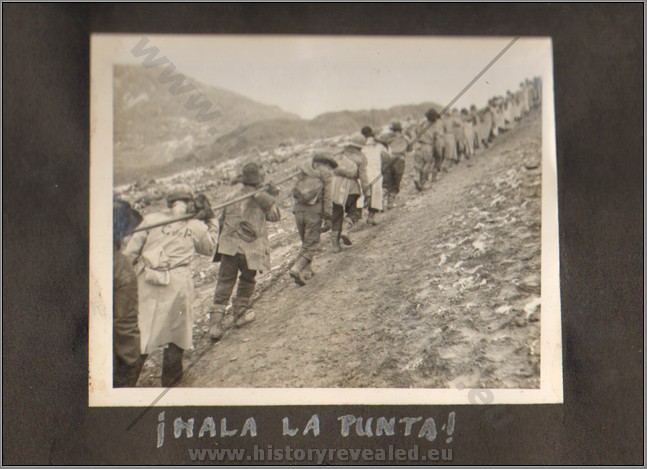 CEP 229 CEP 229 | 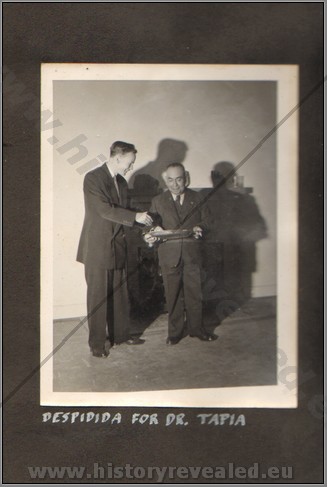 CEP 229 CEP 229 | 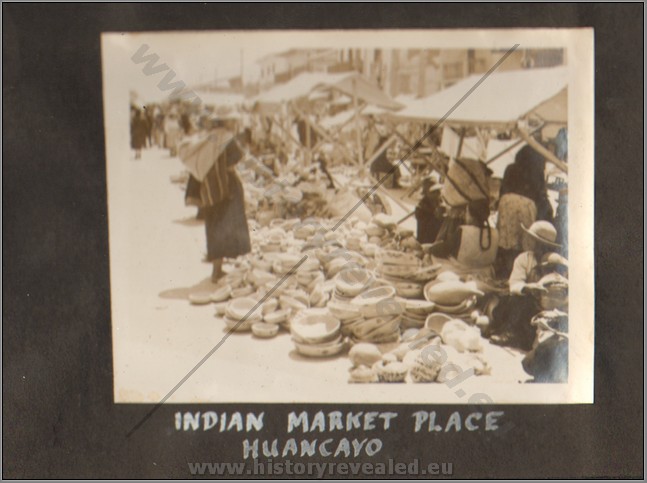 CEP 229 CEP 229 |
 CEP 242
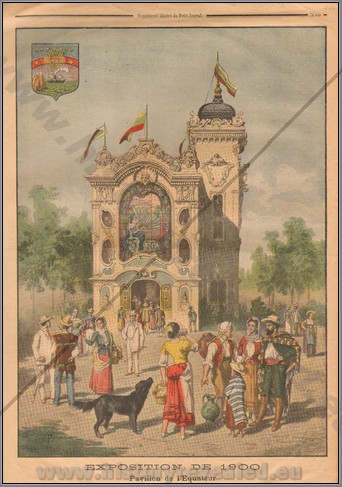
French illustration of the Ecuador pavilion at the 1900 Paris Exposition. RC
 CEP 220
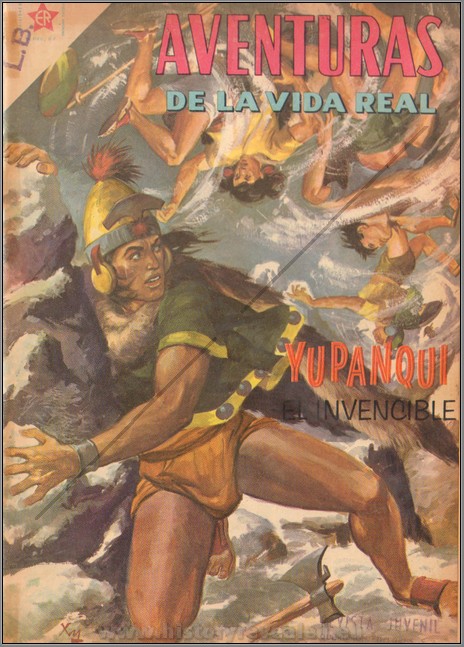
1959 Mexican comic book titled Yupanqui El Invencible (Peru). NC
 CEP 219
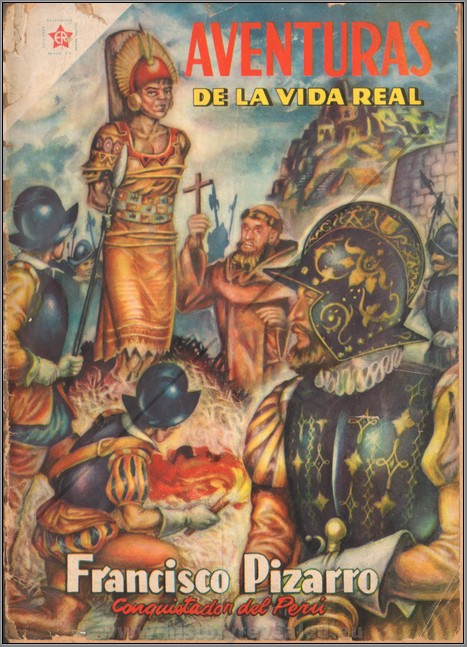
1956 Mexican comic book on Francisco Pizarro. Cover repaired and separated from body (Peru). HCC
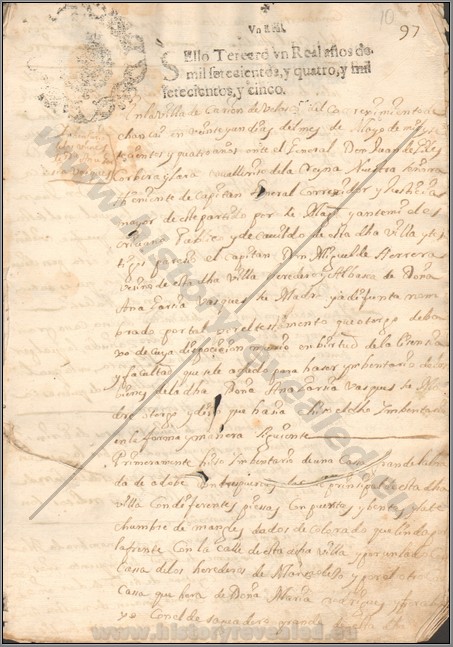 CEP 218
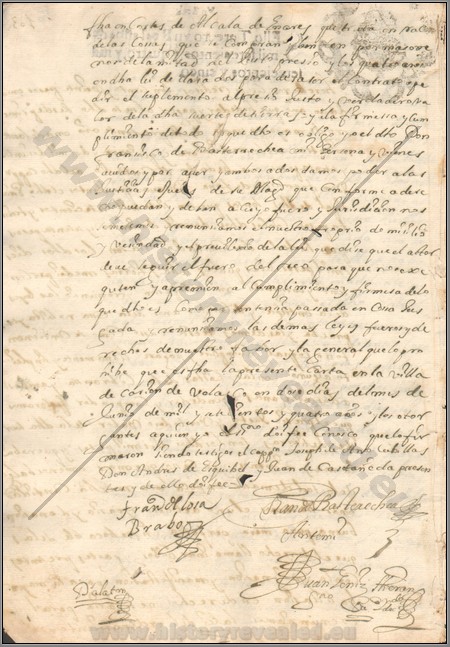 CEP 218
Document providing an inventory of slaves, jewelry and other goods in the Villa de Carrion de Velasco, Viceroyalty of Peru. Dated 1704 and 1705. "An inventory is made of a black girl named Mariana aged 50 years with a 12-year-old son Cayetano ..." 7 pages containing 14 pages of text. Difficult to find Peruvian slave documents, especially this old. LEC
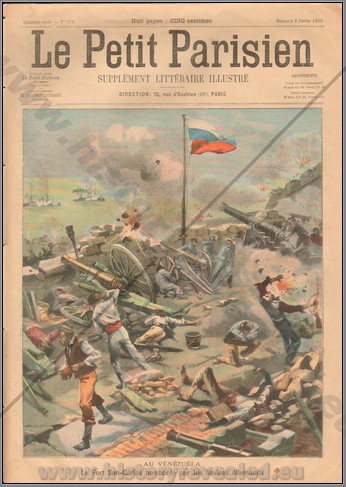 CEP 240CEP 240CEP 240
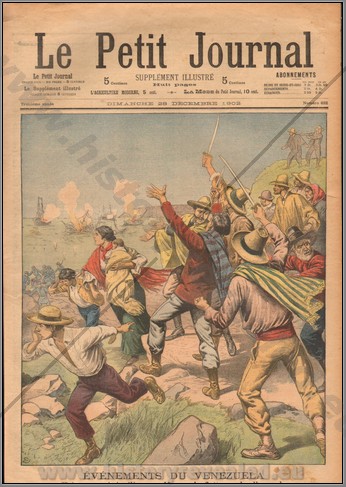
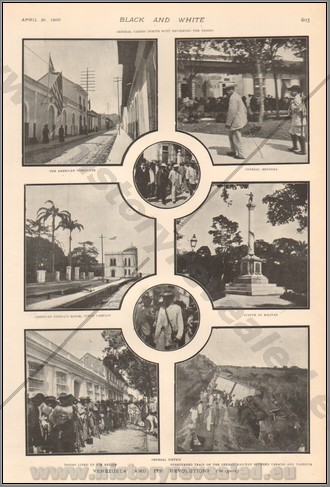
Collection of seven illustrations from French and English periodicals on the Venezuela crisis of 1902-1903 and the insurgency leading up to it. HOC
Note: The Venezuelan crisis of 1902–03 was a naval blockade imposed against Venezuela by the United Kingdom, Germany and Italy from December 1902 to February 1903, after President Cipriano Castro refused to pay foreign debts and damages suffered by European citizens in the Venezuelan civil war. Castro assumed that the United States Monroe Doctrine would see the US intervene to prevent European military intervention. However, at the time, US president Theodore Roosevelt and the Department of StateCEP 240CEP 240 saw the doctrine as applying only to European seizure of territory, rather than intervention per se. With prior promises that no such seizure would occur, the US was officially neutral and allowed the action to go ahead without objection. The blockade saw Venezuela's small navy quickly disabled, but Castro refused to give in, and instead agreed in principle to submit some of the claims to international arbitration, which he had previously rejected. Germany initially objected to this, arguing that some claims should be accepted by Venezuela without arbitration.
President Roosevelt forced the Germans to back down by sending his own larger fleet under Admiral George Dewey and threatening war if the Germans landed. With Castro failing to back down, US pressure and increasingly negative British and American press reaction to the affair, the blockading nations agreed to a compromise, but maintained the blockade during negotiations over the details. This led to the signing CEP 240CEP 240of an agreement on 13 February 1903 which saw the blockade lifted, and Venezuela commit 30% of its customs duties to settling claims.
When the Permanent Court of Arbitration in The Hague subsequently awarded preferential treatment to the blockading powers against the claims of other nations, the US feared this would encourage future European intervention. The episode contributed to the development of the Roosevelt Corollary to the Monroe Doctrine, asserting a right of the United States to intervene to "stabilize" the economic affairs of small states in the Caribbean and Central America if they were unable to pay their international debts, in order to preclude European intervention to do so.