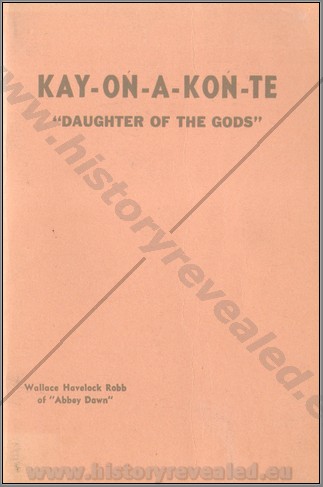
CAA 020Collection of first edition books and correspondence by famed Canadian poet Wallace Havelock Robb (1888-1976). Included are Tecumtha (1958), Thunderbird (1949) and Kay-On-A-Kon-Te (1961). The first two are signed by the author. Also various bits of his writings and the poem given at his funeral. There is also a two page letter from him to me done three years before his death where he reflects on his lifes work. HCCC
Note: From the Kingston Whig-Standard, March 17, 2015…..THE POET’S WALK OF ABBEY DAWN. Serene and smooth was not the goal. The work of poet, naturalist and author Wallace Havelock Robb was meant to be read viscerally, with the spirit of a vibrant child, stomping and splashing through a fresh puddle.
"My verses aren't quiet little things to be read to oneself," Robb once said. "They're dramatic, epic. They're to be spoken aloud, recited, shouted, if necessary." His life and interests were also dramatic, including his wildlife sanctuary on Abbey Dawn Road in Kingston.
Originally from Montreal, the Robb family lived in Belleville. The head of the household, William Doig Robb, was a higher-level employee of Grand Trunk Railway Company, married to Catherine Haggart Black. Born in Belleville on May 19, 1888, Wallace Havelock Robb was the third child in a family of six kids. The region was called Kente then, later known as Quinte.
A disturbing incident witnessed in his childhood planted seeds for one particular direction of Robb's life. "His sympathies for the Mohawks of Kente had taken root in boyhood when, in Belleville, he had seen a white man pummel and kick a helpless Indian," said George F.G. Stanley in "Abbe of Abbey Dawn," Historic Kingston, Vol. 18, 1970. "Injustice was foreign to Wallace Robb's soul and he turned to study the vanishing legends and history of the native people living on the Tyendinga reserve." Native lore would become a major influence on Robb's work.
Though he kept his passion for poetry to himself as a child -- something he felt boys just didn't do -- Robb was instinctively drawn to writing and verse, especially the form that was read aloud. Well-educated and well-read, during one class Robb snatched a poetry book from the hands of his lacklustre high school teacher, "and proceeded to read the poems in the manner in which he thought they should be read," Stanley noted. No punishment came. Instead, Robb was asked to teach poetry.
Robb followed his father's footsteps into the world of business, working in 1906 at Canada Bronze Company. In 1908, he took on operation of the heavy equipment firm, Anchor Packing Company, and hired his four brothers to work with him. The First World War brought a brief intermission to his commercial career to serve as a lieutenant with No. 1 Heavy Battery, Canadian Artillery, in England.CAA 020
While away from his facility, Robb realized he disliked business. He was ready for change. "He abandoned the cigars and mahogany-panelled office," wrote Bill Brown in "The Fiery Muse of Abbey Dawn," Ottawa Citizen Weekend Magazine in 1960. "His hard-headed relatives were shocked, but Robb stuck to his guns."
Sprouting from the distressing childhood incident, Robb developed a deep interest in the culture of local natives, gathering artifacts, and studying the Mohawk language. His poems and writings would later be infused with the images and traditions of native lore.
Wildlife concerns led Robb to establish a sanctuary near Belleville, and he stocked it with a couple dozen Canada Geese. Belleville city council declined to recognize the preserve. Other residents saw the geese as open season and shot several of the birds. A battle between the city and Robb began when the naturalist pitched a bagful of dead geese on the mayor's desk. The stalemate ended when the furious writer "published a long and violent poem damning Belleville and everyone in it," Brown said.
Robb joined photography expeditions in 1921, including an assignment for the Audubon Society to take photos of birds in their natural habitats. The desire to be a poet resurfaced while on the trips, and he decided the United States would be more open to writers than Canada at that time. Along with his wife Edna (married in 1913) and their kids, Robb moved to New York state. The family returned to Canada in 1925 but they needed to find a home.
Driving on a road just a few miles north of downtown Kingston, Robb stopped the car. "I sensed something. A feeling. A presence. I had to have this land. It would be my ivory tower," Robb told Brown. Fortune smiled on the poet. The property was for sale. He called it Abbey Dawn.
On his 500 acres of land, Robb started a farm with his sons, raising 84 head of cattle plus crops. It was the perfect place to try another sanctuary that would include birds of prey. In the visionary poet's mind, Abbey Dawn was a sacred place, and he named sections to reflect their significance: Poet's Walk, the Elves' Pond, the Shrine of Wild Flowers, Vale of the Muse.
As well, Robb developed a museum of Mohawk artifacts to honour the natives he so revered.
"Among them is a stone sarcophagus of the infant of an Indian Chief," noted "Abbey Dawn has Beauty for Visitor," Montreal Gazette, June 23, 1951. "It was excavated at Abbey Dawn by Mr. Robb and is a remarkable example of Indian sculpture." The piece was shaped like a papoose cradle "and the head and the body of the child is clearly defined."
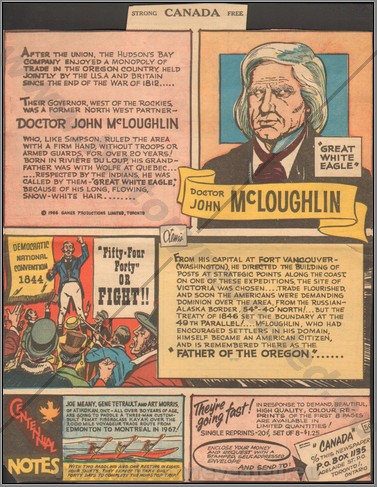
In October 1948, Robb was adopted by blood rite into the Mohawk nation of the Kente. Gathered at Abbey Dawn, they "gave him the name of Gon-rah-gon O-don-yoh Go-wa or "Great White Eagle," said Stanley. The Iroquois nation also honoured Robb with the rank of Pine Tree Chief.
Robb's many articles about birds and wildlife were published in magazines enjoyed across Canada. But poetry was his first love. Robb's first book of verse was published in 1927, titled The Quill and the Candle; his second poetry book was The Door of Dawn, published 1937. In praise of native culture, Robb wrote two novels effervescent with insights and facts, Thunderbird (1949) and Tecumtha (1958). He also wrote expressively about natives in a small volume titled Indian Lore of the Bay of Quinte in 1952.
Visitors came from far and wide to experience the mystical Abbey Dawn sanctuary. They came to ring the Poet's Bell, a large iron bell Robb had specifically cast in England, dubbed "Gitchi Nagamo," meaning Beautiful Song, Robb rang it himself every morning and evening. Otherwise, Robb permitted only poets, brides and pregnant women to ring the bell.
CAA 020One unpleasant incident was related to the bell, though. A Montreal poet was staying at Abbey Dawn to help with the editing of one of Robb's manuscripts. Hyman Edelstein rang the bell and died just minutes later.
Dressed in long royal purple robes, the poet gave guided tours of the sanctuary and artifacts for 50 cents per person. Starting with general information, Robb would suddenly burst into poetry, reciting it with enthusiasm and gesture. An individual in every sense, Wallace Robb blended his own red ink and wrote with a quill from a Canada Goose in his notebooks.
Due to vandalism, the poet's cherished sanctuary on Abbey Dawn Road closed in 1962. The native artifacts were given to the Kingston Historical Society. Wallace Havelock Robb died in 1976 at age 88. He left behind a legacy of contributions to Canada's culture, said the Montreal Gazette, and was noted for bringing "romance and beauty to the historic city of Kingston and perpetuated the memory of other simpler days and of a great and noble people."

 CAA 024
 CAA 024
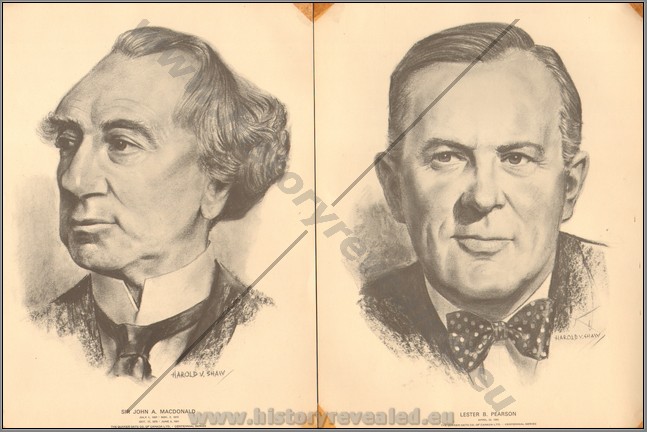 CAA 024
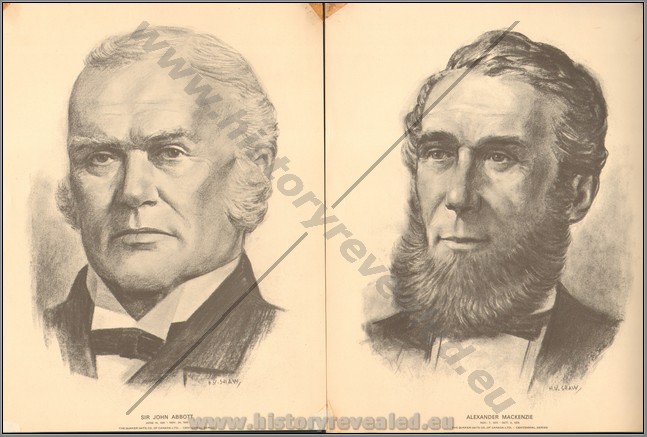 CAA 024
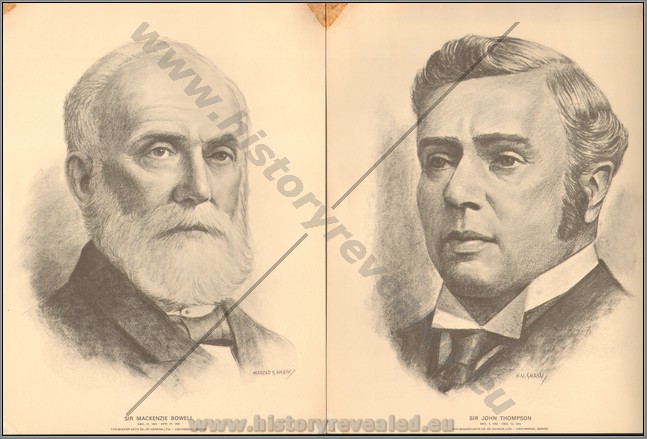 CAA 024
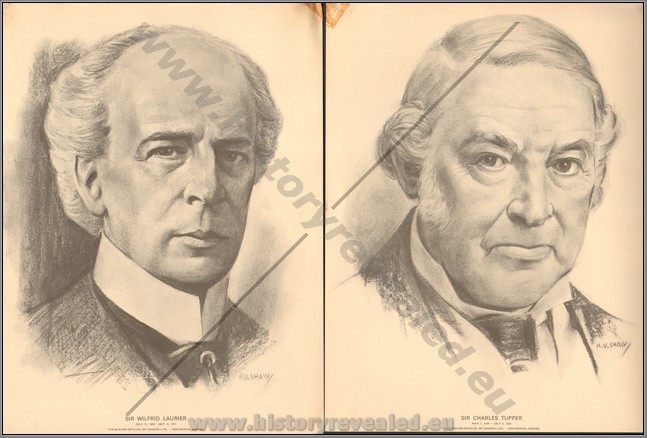 CAA 024
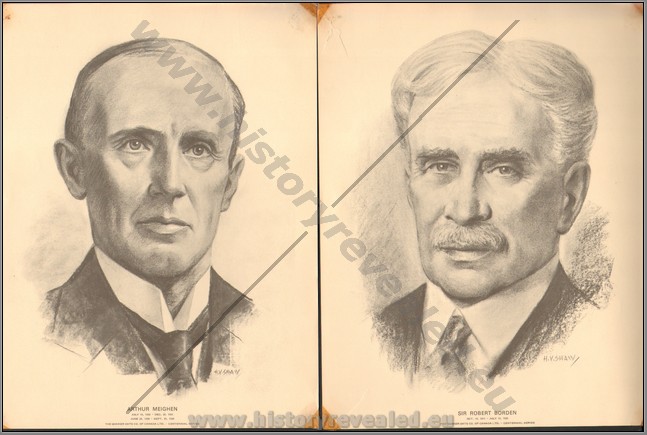 CAA 024
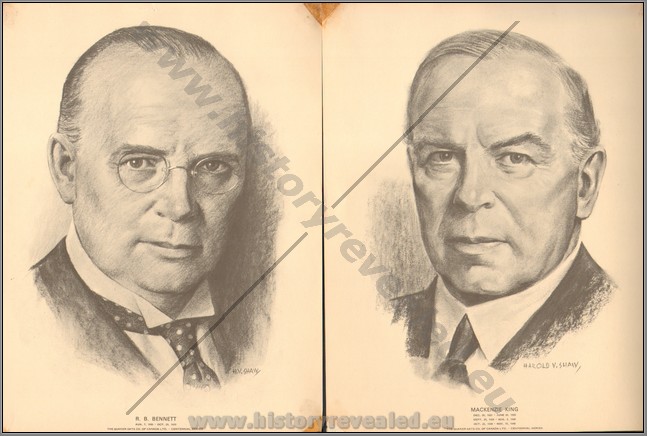 CAA 024
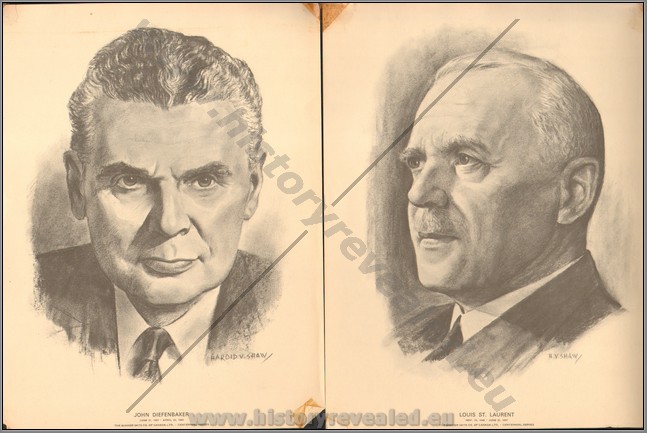 CAA 024