Western Americana
WA 046
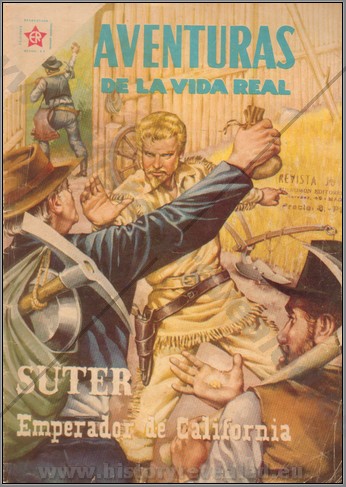
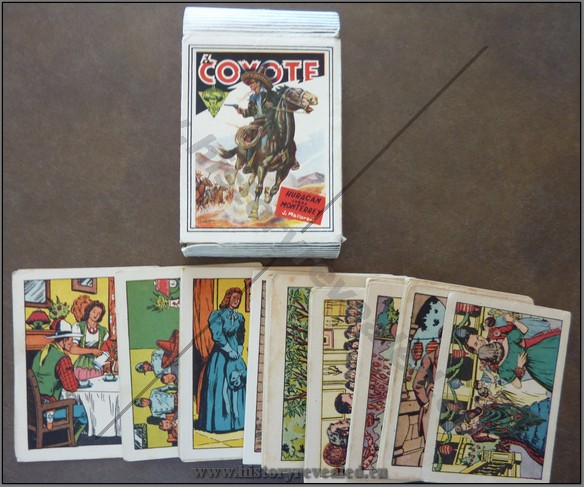
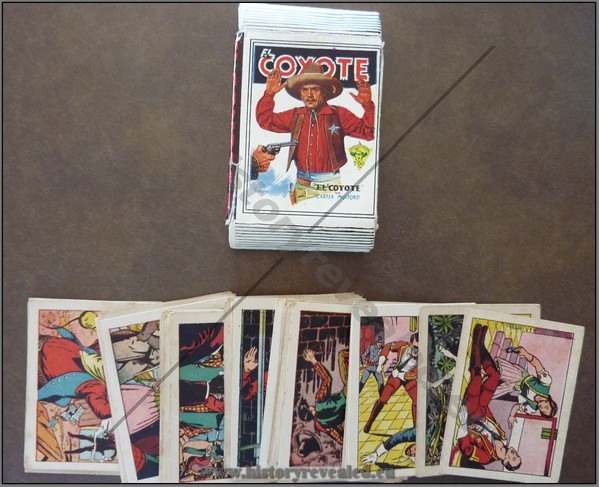
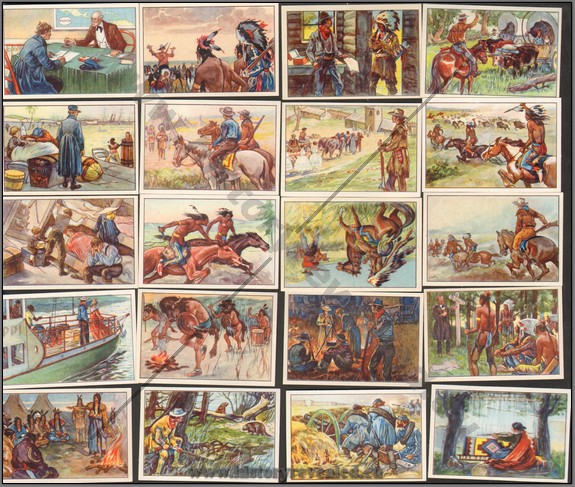
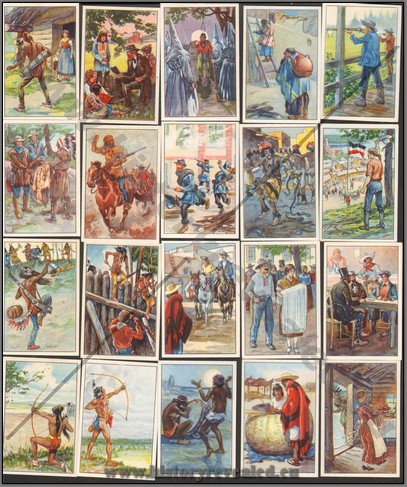
WA 046Complete sets of 64 cards of El Coyote, a 19th century Zorro, born outside Los Angeles and champion of the Spanish community. In all, 6 card sets were published in Spain in the 1940’s and 1950’s: El Coyote, La Sombre del Coyote, La Vuelta del Coyote, Hurracan Sobre Monterrey, El Valle de la Muerto, El Coyote Accorralado. I have one complete set and am working on completing the others. AHKH
Price $800.00 each set
Note: (from Wikipedia) El Coyote (The Coyote) is the name of a fictional character very similar to Zorro, although acting 100 years later. He first appeared in the novel El Coyote (1944) by Jose Mallorqui. Between 1944 and 1953 El Coyote appeared in 192 pulp-like novels. El Coyote's real name is César de Echague and he is a rich man living at a ranch called San Antonio outside of Los Angeles. The novels cover adventures from 1846 until circa 1875. Cesar was inspired by a masked female actress and by the Zorro legend when he started operating as El Coyote in 1846. Coyote protects the original Spanish community of California from the Anglo Americans. He was born in Los Angeles between 1826 and 1830. He left for Havana as a youngster (around 1845) and "officially" returned in December 1851 (although operating as Coyote in California several times before that). Cesar's sister Beatriz was born in 1833 - she married ex-Washington resident Edmond Greene (both knew of Cesars double identities). His first wife, - Leonore de Acevedo (1832 – 1857), gave him a son Cesar Jr., (nicknamed El Cuervo - The Raven - from 1873) in 1851, after which time Cesar left Los Angeles again, for several years, but returned in 1865 (although he secretly worked in America as Coyote after only a few years abroad). The wealthy Guadelupe - Lupe/Lupita Martinez - later de Torres (in 1872), was born around 1835 and married Cesar in 1870. Their child Leonorin as well as foster child Eduardito (Gomez de la Mata) were born in 1871. Ricardo Yesares (Coyote's helper for many years from 1865) was born in 1834. The Lugones brothers and the Indian woman Adelia helped Coyote from the very beginning. Coyote's closest friend from 1865 was Cesar's servant, the deaf Indian Matias Alberes. In later novels gunman Mario Lujan helped Coyote several times. From around 1873 the skilled Indian Pedro Bienvenido became Coyote's foremost friend and Cesar's servant.
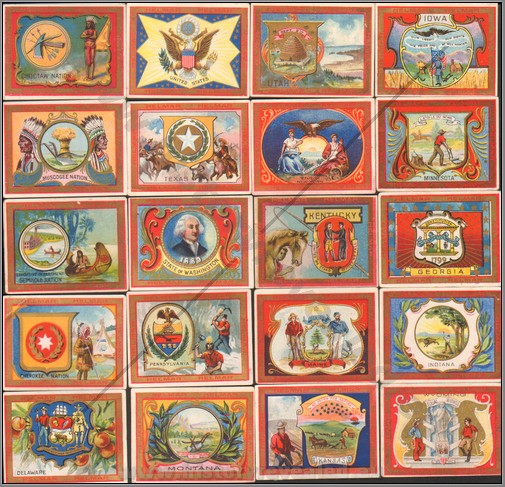
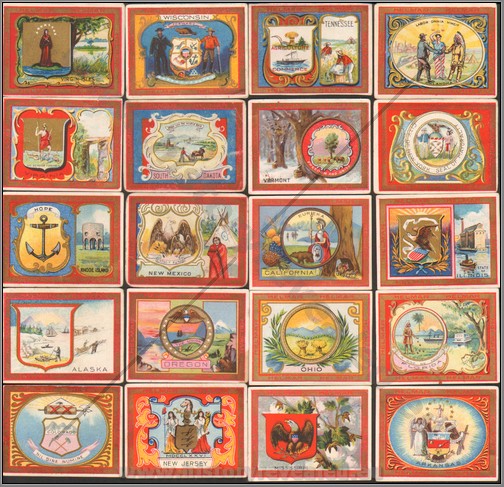
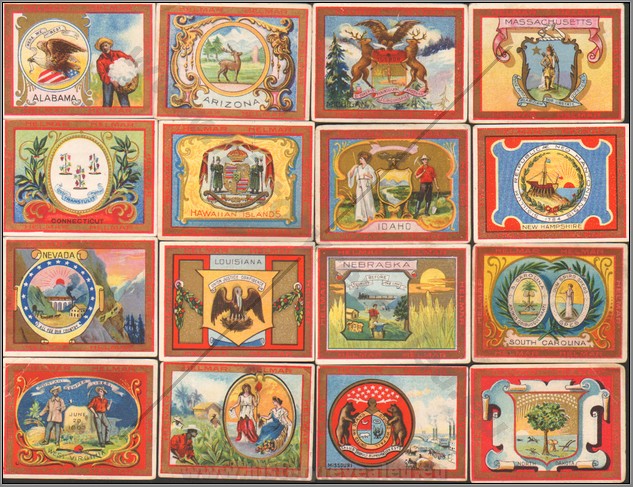
Complete set of 57 cards by Helmar Turkish Cigarettes on Seals of the United States. This is part of a larger set of 150 cards including the Coats of Arms of All Other Countries of the World.
NOTE (from SRITA and AMERICAN TOBACCO CARDS by Forbes and Mitchell) Helmar cigarettes were part of the Turkish and Egyptian cigarette movement of the early 1900s. First produced in 1902 by the Egyptian Ideal Cigarette and Tobacco Works, Helmar was originally named Ramleh. In 1907 when the brand was taken up by S. Anargyros, a subsidiary of The American Tobacco Company, the name was changed in order to avoid confusion with Ramly, a similar cigarette produced by the smaller Mentor Co. in Boston. The name was changed to Helmar, which is simply Ramleh spelled backwards. Unlike most straight-Turkish tobacco cigarettes, Helmar experienced a long life on the market until it was finally discontinued in the mid-1960s.
This series – more commonly known as State Seals and National Coats of Arms – consists of colorful and detailed state, country, and city seals and coats of arms. Along with the seal, many cards also have a scene representing some activity for which the location is known. Included are not only established countries and U.S. states but also several Native American nations. The series was issued in three 50-card groups. The company began issuing the first group in early 1910 and then switched to the “2nd edition” groups in 1911. There was an additional printing, for 150 cards in total. This collection forms the subset of all U.S. states, minus Maryland and Washington D.C., which for some reason were never printed. Interestingly, cards are shown for the 5 “cilivlized” tribes: Chickasaw, Cherokee, Muscogee (Creek), Choctaw, Seminole nations and Pawhuska, Indian Territory (Osage capital). KH
Price: $1540.00
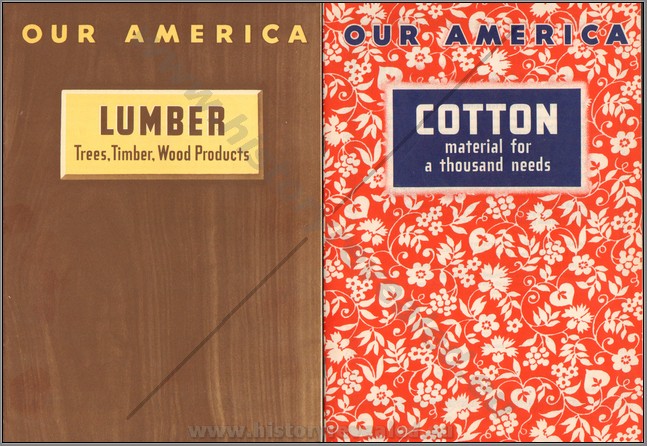
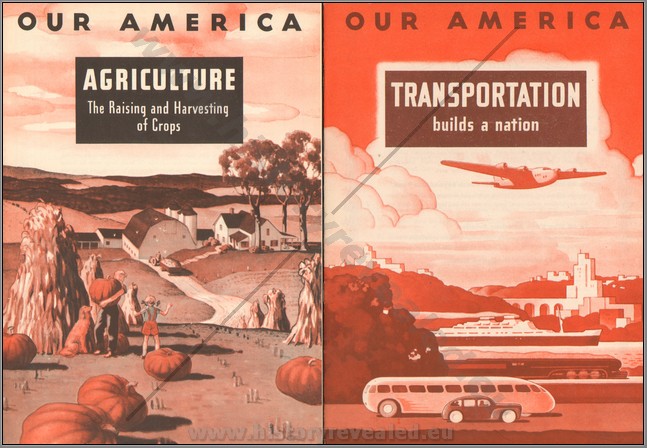
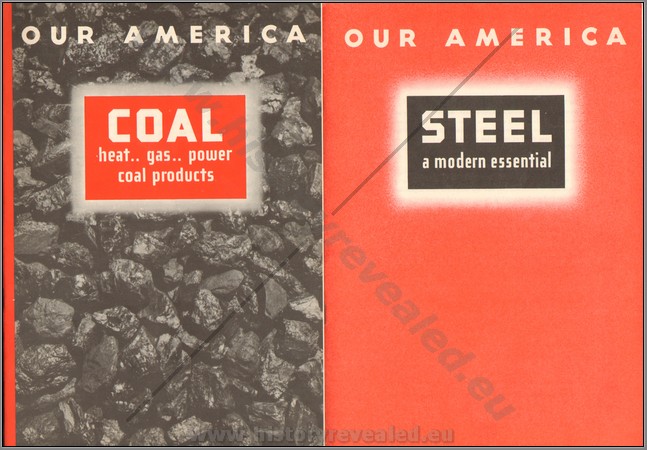
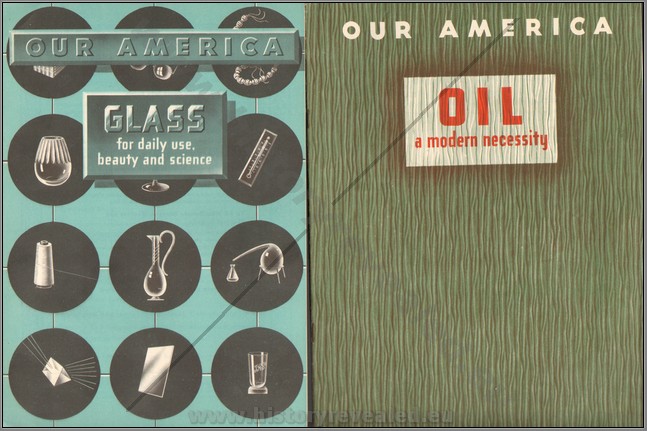
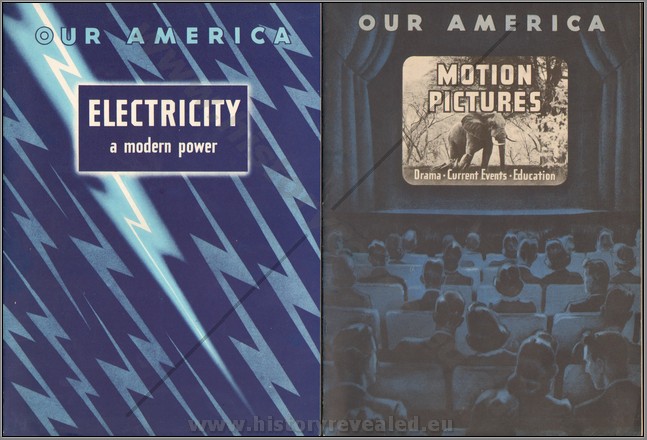
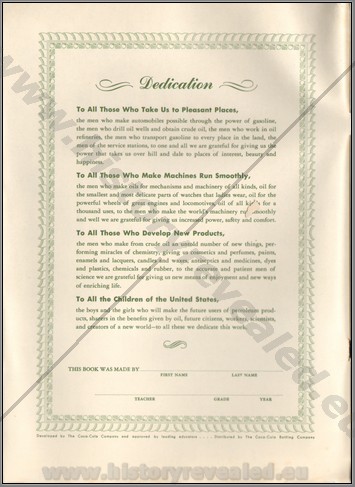
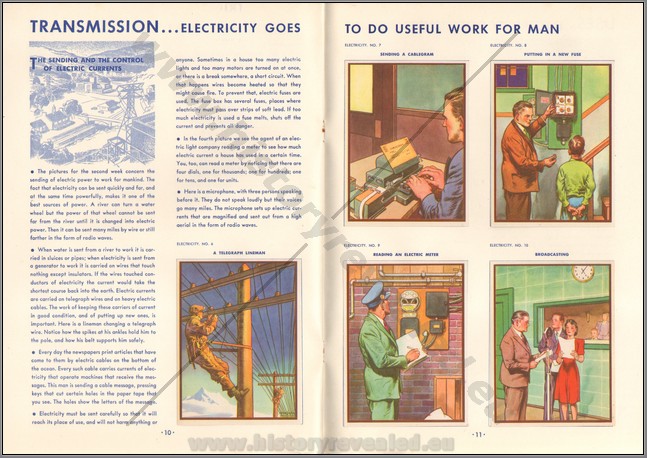
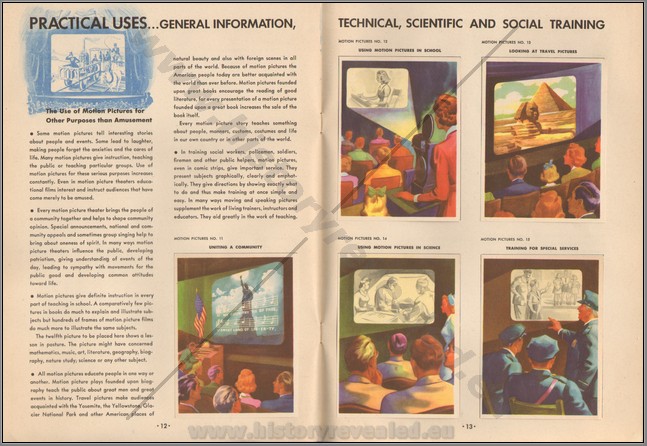
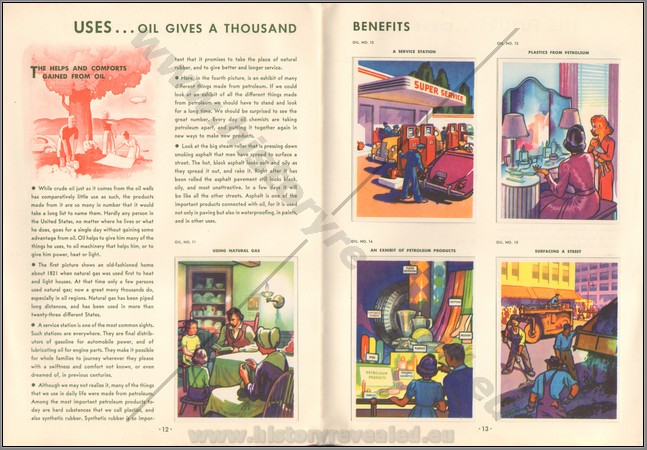
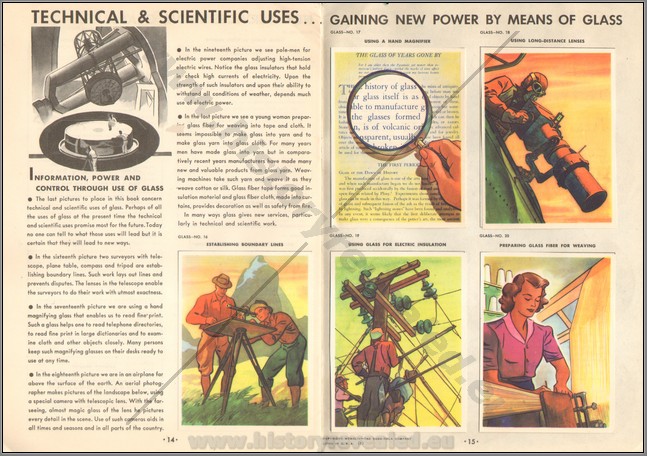
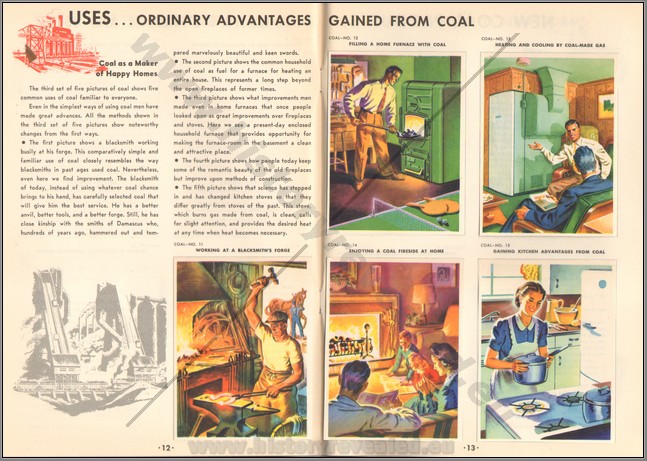
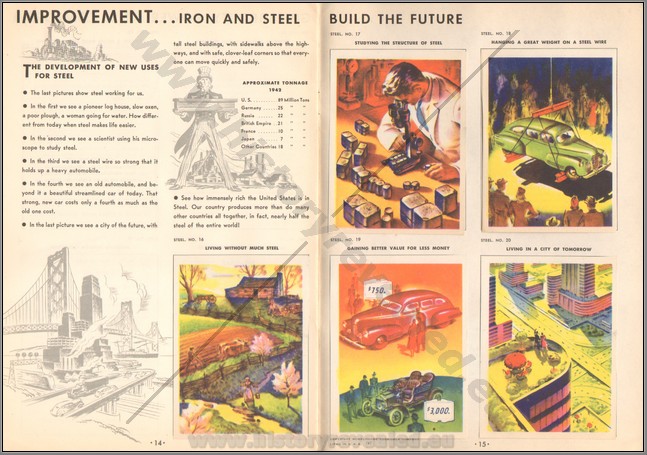
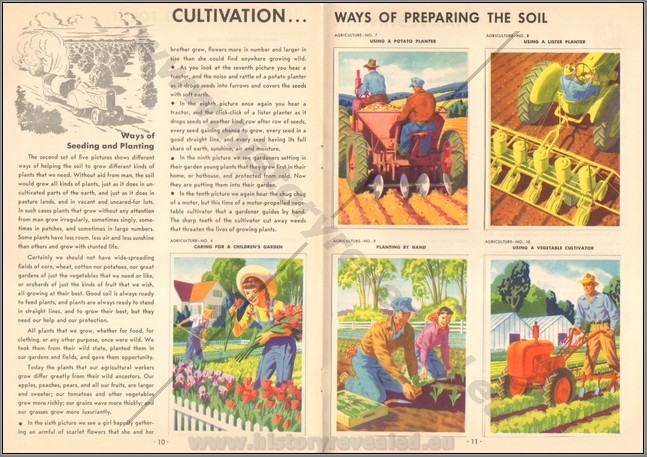
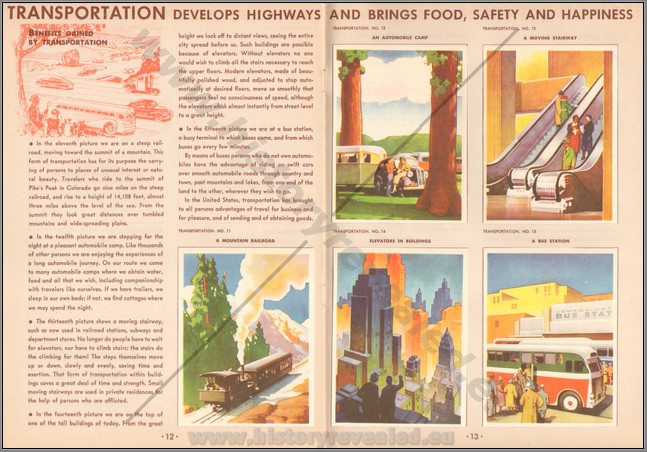
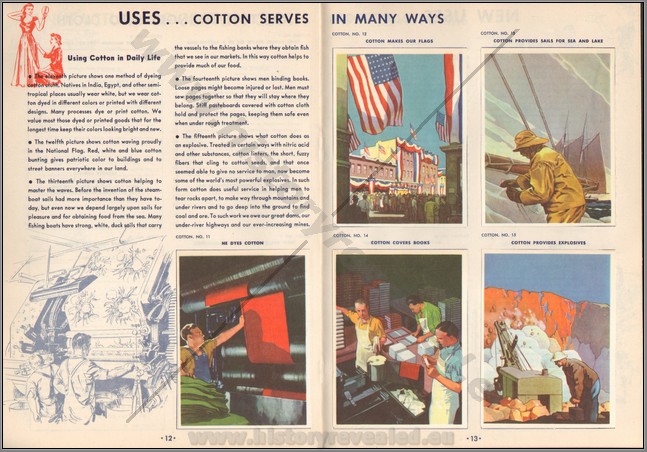
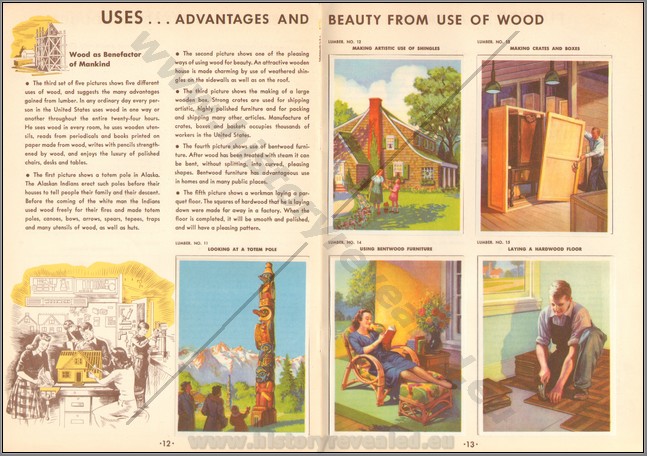
Complete set of 10 stamp albums titled OUR AMERICA by the Coca Cola Bottling Company. They were distributed, along with a teacher’s manual, to public schools throughout the USA from 1942-1949. Each album contained spaces for 20 picture cards, which were pasted along the top edge to allow students to lift the card and read the description underneath. The albums were intended to promote the development of key industries and their byproducts affecting Americans. The artwork is excellent, full of detail and its colors are vibrant. The history of the albums began in 1942 when a teacher and author, Frederick Houk Law, composed four visual instruction booklets (later the teacher’s manuals) on the subjects of cotton, oil, steel and electricity. Coca Cola became interested and hired famous artist W.C. Wyneth (1882-1945) of Massachusetts to illustrate several striking posters and drawings to create Our America school booklets. Six other picture card sets followed. The albums came in two sizes: 20x28cm and 18x26cm. The complete run of 10 albums offered here are complete with 20 picture cards each. An interesting piece of American popular culture spanning WW2 and the early post-war years on America’s developing economy and affluence. mB
Price: $800.00
WA 045Complete set of 110 American trade cards titled Aids Awareness. Produced in 1993 by Eclipse Enterprises of Forestville, California, shortly before it went bankrupt. This is a unique collection of American popular culture of the late 1980’s, by a California company that faced lawsuits over publishing these cards and eventually went bankrupt, less than a year after these cards were produced. Not included is the large box containing 50 packages of cards or the wrapper. KH
Price: $400.00
Note: Eclipse Comics was an American comic book publisher, one of several independent publishers during the 1980s and early 1990s. In 1978, it published the first graphic novel intended for the newly created comic book specialty store market. It was one of the first to offer royalties and creator ownership of rights, and the first comics company to publish trading cards.
WA 045The company was founded as Eclipse Enterprises by brothers Jan and Dean Mullaney in 1977.During the early 1980s, Eclipse moved several times, settling finally in Forestville in Sonoma County, California. During the 1980s, Eclipse brought out a new line of non-fiction, non-sports trading cards. Controversial political subjects such as the Iran-Contra scandal, the Savings and Loan crisis, the AIDS epidemic, and the Kennedy Assassination, as well as true crime accounts of serial killers, mass murderers, the Mafia, and organized crime were covered in these card sets. One of the last sets they produced was on AIDS awareness and featured a free condom with every package of cards. There was such a controversy over these cards that several groups fought Eclipse in the courts to have the cards banned. In 1986, Eclipse lost most of its back-issue comics stock in a flood. This event, along with personal problems of the owners, and the mid-1990s collapse of the direct market distribution system, caused the company to cease operations in 1994 and file for bankruptcy in 1995.